

As the world turns its attention to the 2026 FIFA World Cup, hosted across Canada, Mexico and the United States, it is worth remembering that some of football’s most recognisable stories began much closer to home. One of them connects Welbeck, Nottinghamshire, Notts County and Juventus — through a set of black and white racing colours that went on to leave their mark on the global game.
The FIFA World Cup is often described as football’s greatest stage: a celebration of national identity, sporting passion and the shared histories that connect clubs, countries and communities. In 2026, the tournament will be the largest in its history, with 48 teams taking part across three host nations. For visitors and readers exploring the story of Welbeck, it offers a timely moment to look back at one of the estate’s unexpected links to football heritage.
That story begins with Notts County, one of the oldest football clubs in the world, and its now iconic black and white striped kit. The club first appeared in these colours in 1890, a year before reaching its first FA Cup final. At the time, the broad stripes were unusual, distinctive and instantly memorable — a bold new identity for a club that would soon make history.
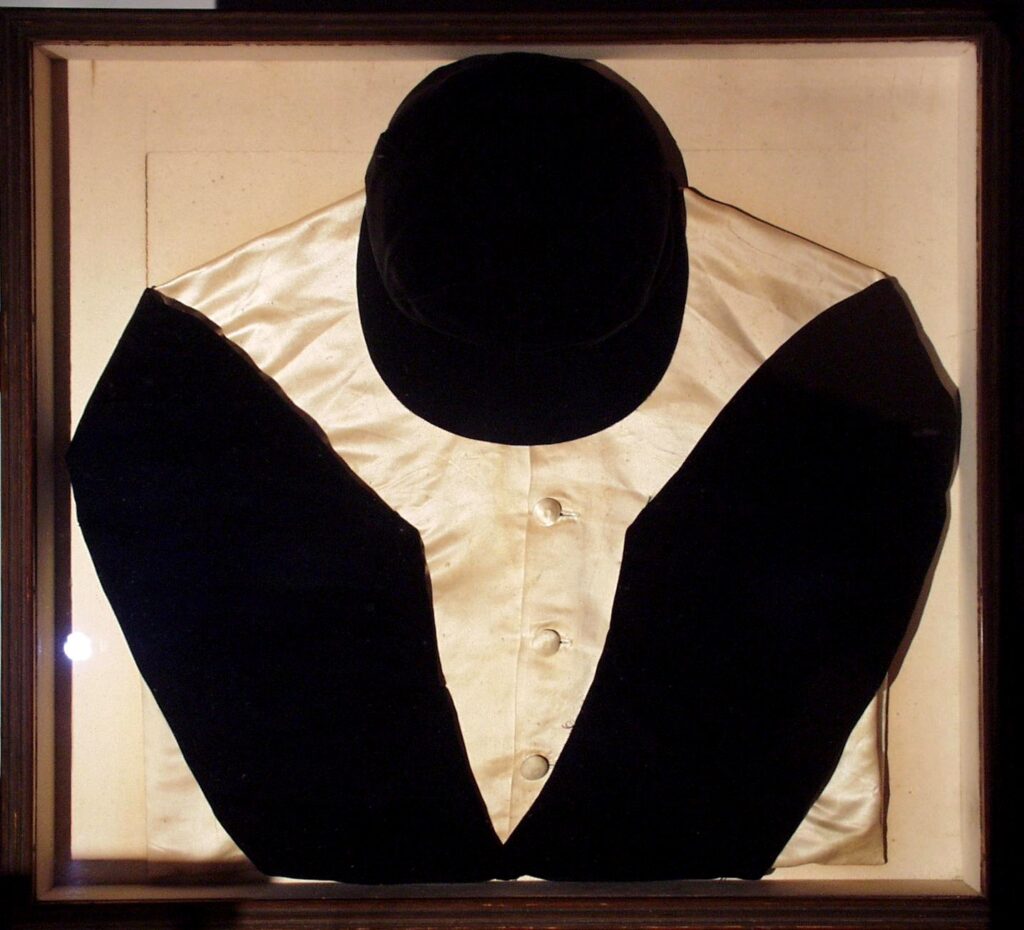
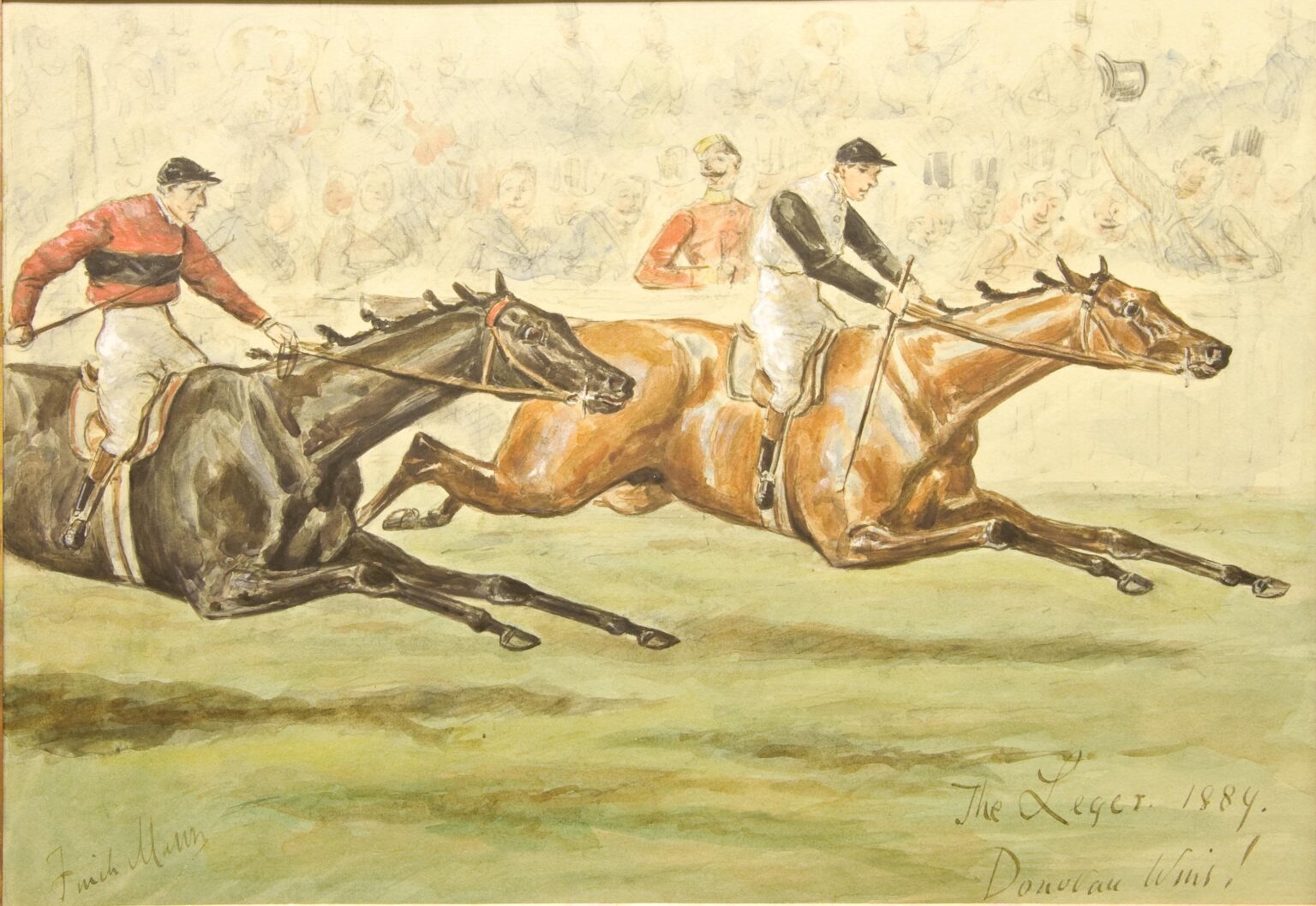
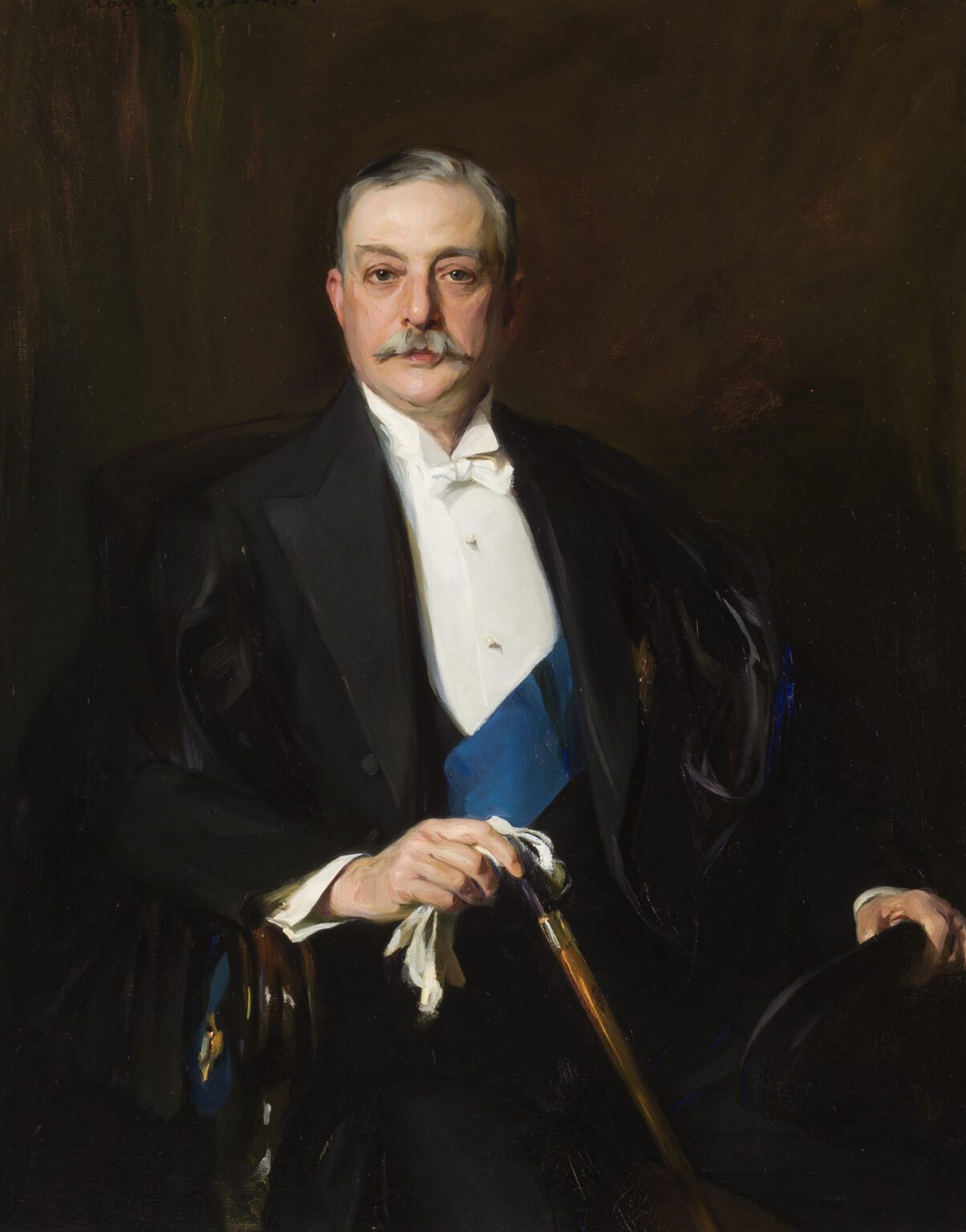
The inspiration for Notts County’s colours is said to have come from the black and white racing silks of the Duke of Portland. During the late 19th century, the 6th Duke of Portland was closely associated with the club and served as its president from at least 1886 to 1892. This was also a remarkable period for the Duke’s racing interests: his celebrated racehorse Donovan won both The Derby and The St Leger, setting a world record in prize money.
At Welbeck, the legacy of this success can still be traced in the estate’s history. Some of Donovan’s winnings helped fund the construction of The Winnings, the group of houses whose name preserves the memory of this extraordinary chapter. The black and white colours, already associated with good fortune and sporting triumph, found a new life on the football pitch when Notts County adopted them as their own.
The story might have remained a distinctive detail in English football history were it not for a chance connection in 1901. Juventus, then a young club in Turin, was looking to replace its original pink shirts. According to the well-known account, Englishman Tom Gordon Savage, who was playing for Juventus, wrote to his brother Richard in Nottingham for help. His brother, a Notts County supporter, arranged for a set of black and white striped shirts to be sent to Italy.
The colours stayed. More than a century later, Juventus remains one of the most recognisable clubs in world football, still known by its black and white stripes. What began as a Nottinghamshire racing colour, adopted by Notts County and sent across Europe, became part of the visual identity of an Italian giant.
The bond between the two clubs has endured. In 2011, Notts County were invited to Turin to play in the first friendly match at Juventus’ new stadium — a symbolic fixture that recognised the deep connection between the clubs and the stripes they share.
The 2026 World Cup has brought together players, supporters and cultures from across the globe. It celebrates the power of football to cross borders and create lasting connections. The Welbeck link to Notts County and Juventus is a reminder that those international stories are not always born in stadiums or capital cities. Sometimes, they begin in the colours of a racehorse owner, on an English estate, and in the local histories that travel further than anyone could have imagined.
For Welbeck, it is a fascinating thread in a much larger tapestry: a story of sport, heritage and identity, stretching from Nottinghamshire to Turin and, in a World Cup year, out towards the wider world.
Cat Storey is the Welbeck Estate Marketing Manager, bringing with her a decade of marketing experience. With a strong foundation in the arts, Cat holds a Master’s degree in Fine Art from Nottingham Trent University, a background that inspires her creative marketing and strategic approach. Cat has a particular passion for crafting compelling stories around the local history of the estate, weaving narratives that engage audiences and celebrate Welbeck’s rich heritage. Her unique blend of artistic vision, storytelling, and marketing expertise enables her to tell stories that resonate with the community and beyond.