
With a greater understanding of our environmental impact, we are addressing issues related to climate change, natural resource scarcity and wildlife and habitat enhancement.
Welbeck is a living, working estate shaped by centuries of careful stewardship. Set within 15,000 acres of woodland, parkland, farmland, lakes and historic buildings, our approach to sustainability is rooted in long-term thinking: protecting the natural environment, reducing our impact, and supporting a resilient rural community for generations to come.
Sustainability underpins the way Welbeck is managed and developed. From the restoration of heritage buildings to the care of our landscapes, we aim to make decisions that balance environmental responsibility with the needs of the people, businesses and communities who call the estate home.
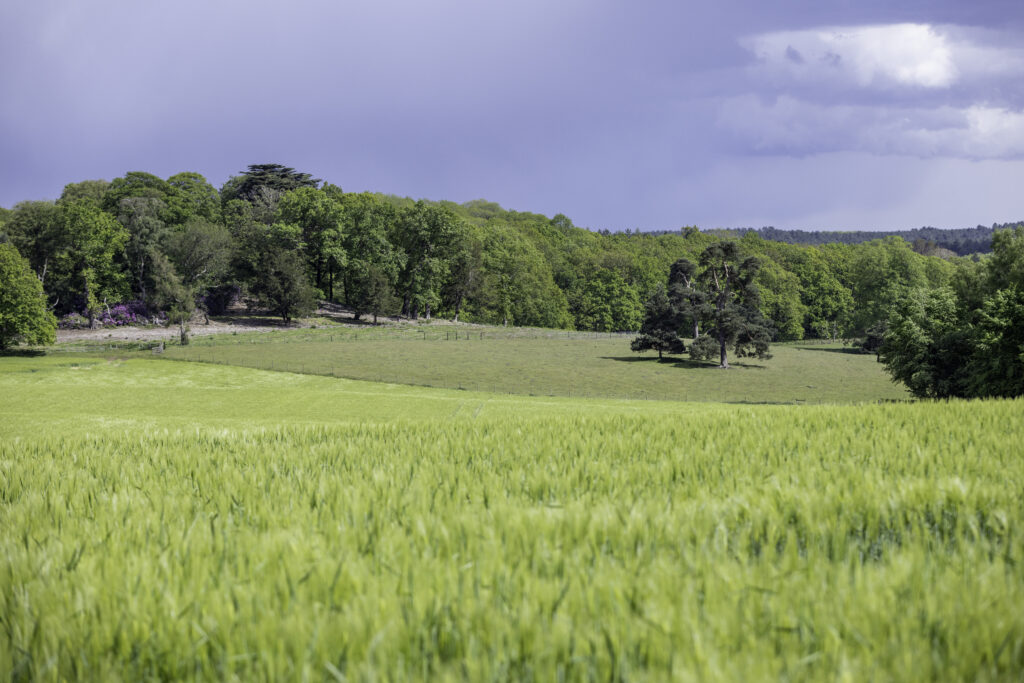
Welbeck’s landscape is rich and varied, with ancient woodland, open parkland, working farmland, lakes, hedgerows and wetlands all supporting a wide range of wildlife. Our land management practices are designed to protect and enhance this natural capital, encouraging biodiversity while preserving the character of the estate.
Across the estate, this includes habitat protection, woodland and wetland management, annual bird counts, hedge laying, grass margins, wild bird mixes, pollen and nectar-rich planting, deadwood habitats and careful control of invasive weeds. Together, these measures help create healthier ecosystems for birds, insects, mammals, wildflowers and aquatic species.
As a working estate, Welbeck recognises the importance of farming in a way that supports both productivity and the environment. Regenerative principles, thoughtful crop selection, rotational grazing and the use of organic amendments all contribute to improving soil health, reducing reliance on synthetic inputs and strengthening the long-term resilience of the land.
Water is also carefully managed. By looking after our own supply and wastewater treatment, and by working with local water bodies, we can respond quickly to issues, reduce leakage and help improve the quality of lakes, tributaries and wetland habitats across the estate.
Welbeck is committed to lowering the carbon footprint of its residential, commercial and cultural buildings wherever practicable. This includes improving energy performance, investing in renewable technologies and considering sustainability throughout property management and supply chains.
Since 2010, the estate has invested in biomass heating schemes that provide heat and hot water to commercial offices, food production premises and homes. Solar power also plays an important role, including renewable electricity generation for The Portland Collection Museum, alongside air-source heating technology within the gallery and offices.
Sustainability at Welbeck is also about people. The estate supports local employment, high-quality homes, rural businesses, community facilities and opportunities for learning and creativity. From artisan food production and education to arts, culture and independent enterprise, Welbeck continues to nurture a thriving rural community with strong connections to place.
Welbeck’s sustainability journey is ongoing. We are continuing to learn, measure and improve, taking practical steps that protect the estate’s heritage, strengthen its natural environment and support the communities who live, work and visit here.
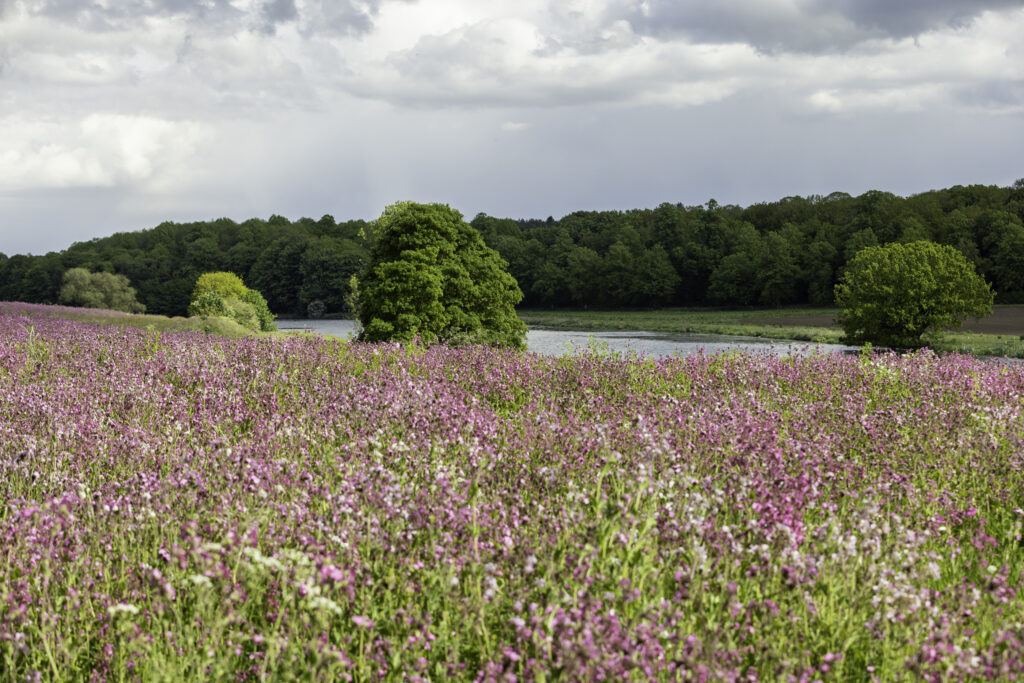
The diversity in our soils, woodland, lakes, grassland and hedgerows and the unique way in which we manage them supports a vast array of mammals, wild fowl and insects.
We focus on achieving the best EPC rating as is practicable to do so for our residential and commercial properties.
We are energy conscious and restless when it comes to lowering the carbon footprint of our properties and property management practices, which includes our supply chains.
Biomass is fuel that is developed from organic materials, a renewable and sustainable source of energy. Since 2010, the estate has invested in the installation of 6 biomass heating schemes. These supply heat and hot water to commercial offices, commercial food production premises and residential premises. There are currently 19 businesses supplied from 9 separate buildings along with 24 residential properties.
Installing Photovoltaic solar fields provide a significant proportion of the electricity demand from various buildings across the estate. One such Photovoltaic array provides green energy for The Portland Collection Museum. The museum has also invested in an air-source heat exchange unit to provide heating and hot water to the gallery and offices (these systems are also installed in some residential properties across the estate). The gallery won the RIBA East Midlands 2016 Sustainability award, with the judges commenting that the project is "an exemplar for buildings of this type".
Managing our own water supply and wastewater treatment plant allows our onsite team to attend to issues within minutes to minimise the impact of an issue and reduce water leakage.
We engage with local water bodies to improve the quality of our lakes and tributaries in ways that positively improve biodiversity and habitats under our care.
Welbeck takes pride in building strong practices around employee wellbeing. Welbeck is a place where staff are proud to work and live.
Supporting local communities is fundamental to a thriving estate, be it through providing employment opportunities, high quality housing and commercial property with fast broadband, community facilities and support.
Some of our staff live at Welbeck and integrate with local community events, focus groups and parish councils. This helps us to ensure we are close to local issues, opportunities and challenges.
The wildlife in our historic landscapes benefits from large green spaces tended and cared for by a team of expert Grounds staff, including gardeners, foresters, farmers, growers, and gamekeepers, all of whom sensitively restore and manage our spaces, conserving existing habitats and creating new ones for future generations to enjoy.
We work closely with several waste management companies who provide us with transparent, real-time data on the tonnage we produce, where our waste is going and how that waste is being managed.
From that data, we can identify where we’re already doing well and where we can improve by target-driven, focused efforts to get better.
At Welbeck, long-term stewardship, habitat creation and thoughtful land management help nature thrive and strengthen the estate for future generations.