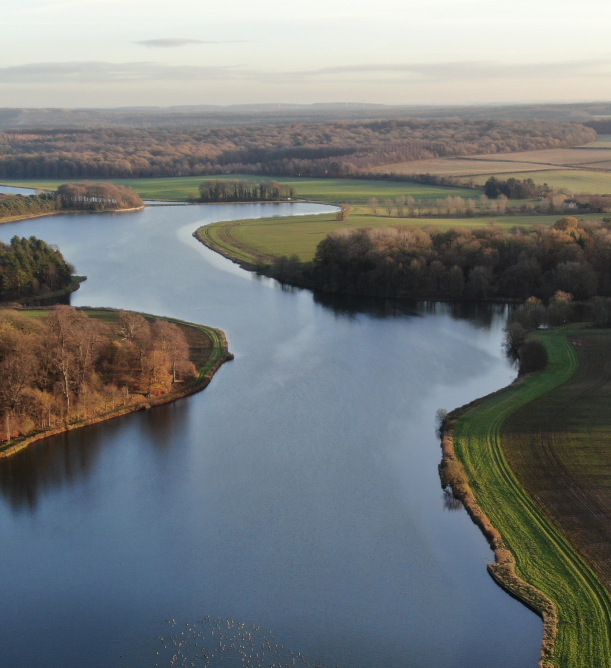
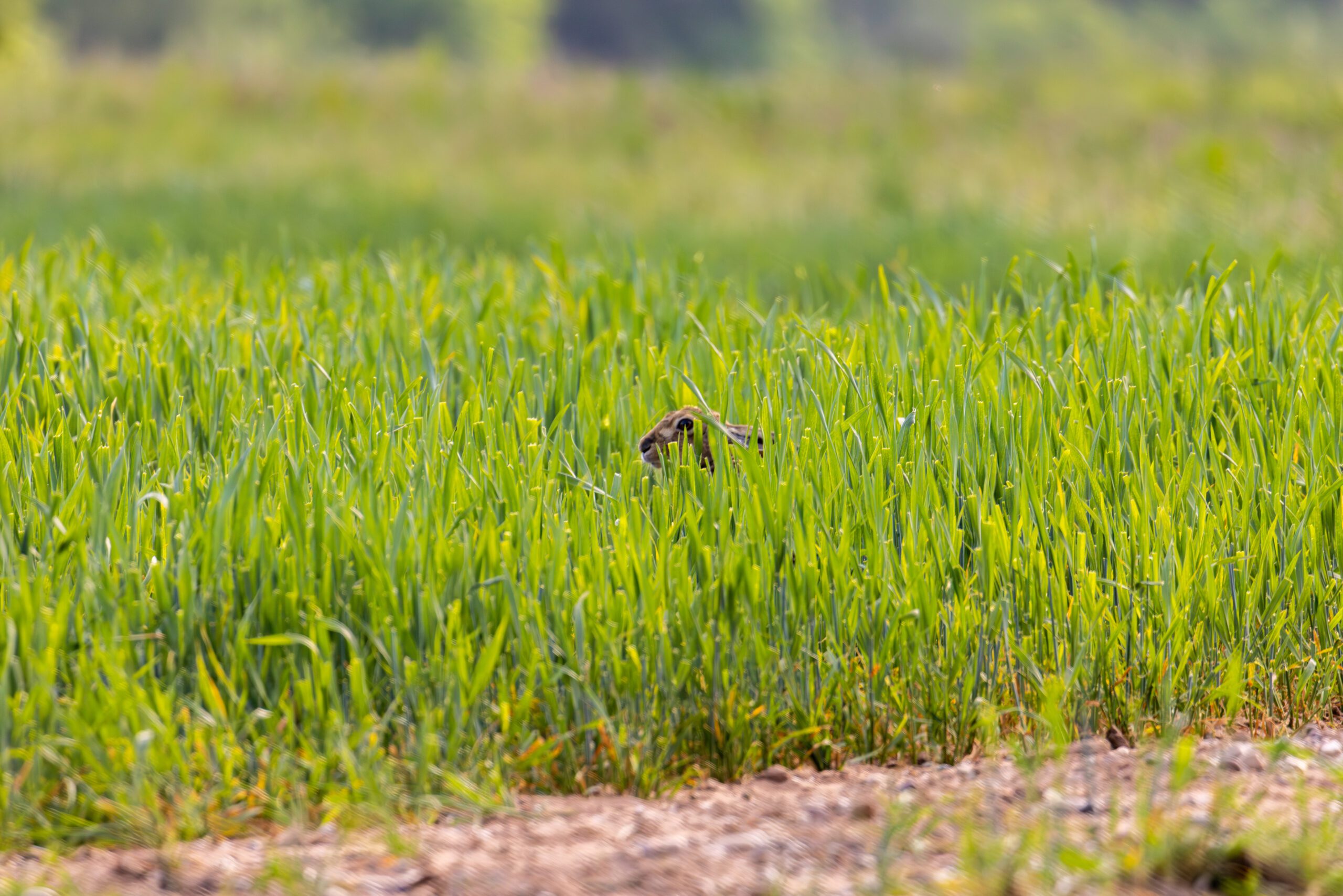
In 2025, more than 700 hectares were committed to habitat management across the estate, building on work already in place to support biodiversity, soil health and nature recovery.
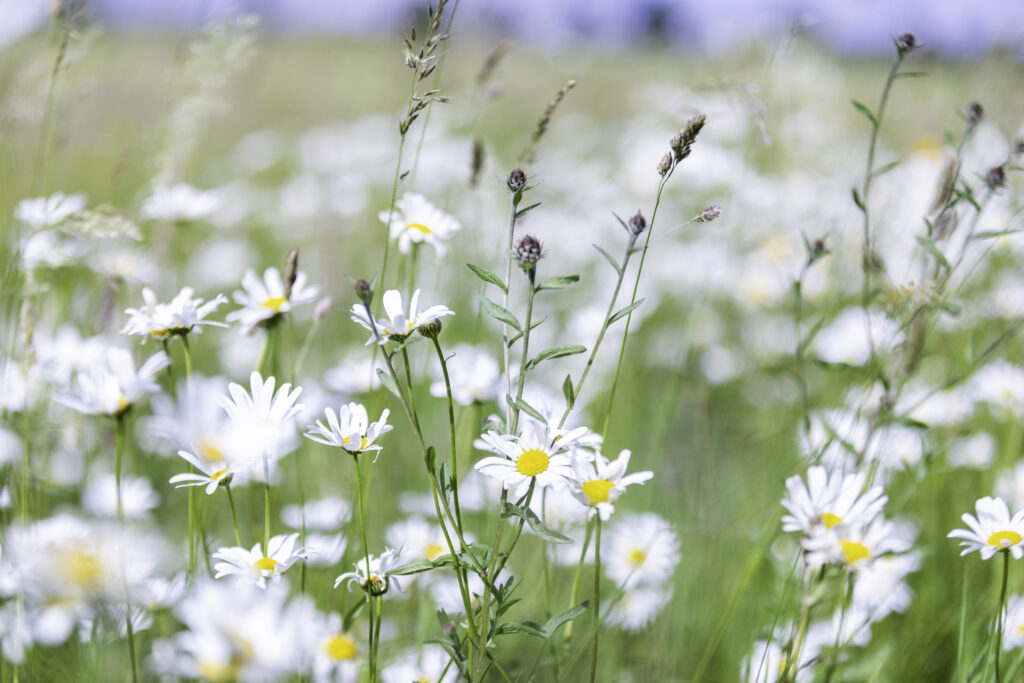
Flower-rich margins, grass strips, winter bird seed plots, ponds and hedgerows all play a part in creating better places for wildlife to feed, breed and shelter throughout the year.
Conservation in action
More than 700 hectares are being managed for biodiversity recovery across the estate. This includes more than 1,900 metres of new hedgerow, more than 13 hectares of flower-rich habitat, more than 9 hectares of winter bird seed plots and more than 7.5 hectares of tussocky grass margins and strips, alongside a dedicated 1 hectare lapwing nesting plot. Six monitoring transects are helping us track change over time.
Farmland wildlife is a strong indicator of the health of the wider landscape. By creating a richer mix of habitats, Welbeck is helping nature recover while also supporting pollination, soil health, water management and the long-term resilience of the land.
We are mapping our habitats to understand where we can better connect, enhance and protect the biodiversity present on the Estate and across the wider River Poulter catchment area.
We have a species-led approach and will be targeting habitat improvements for wildlife, including farmland, woodland and wetland specialists.
Our work includes planting more than 1,900 metres of new hedgerow, improving 17 kilometres of existing hedgerow, creating and managing more than 29 hectares of field margins, establishing four new ponds and creating a dedicated 1 hectare nesting area for lapwing.
We also care for our soils. Soils form the backbone of our farming and many of our habitats. To improve and conserve soil health, we use sustainable practices such as cover crops, organic matter additions and precision agriculture.
How we measure progress
Progress is tracked through regular surveys of insects, wildflowers and farmland birds, along with dawn and dusk counts, fixed-point photography and drone imagery. This helps us understand what is working well and where further gains can be made.
Through habitat creation, careful land management and ongoing monitoring, Welbeck is helping to build a landscape that is richer for wildlife and better prepared for the future.
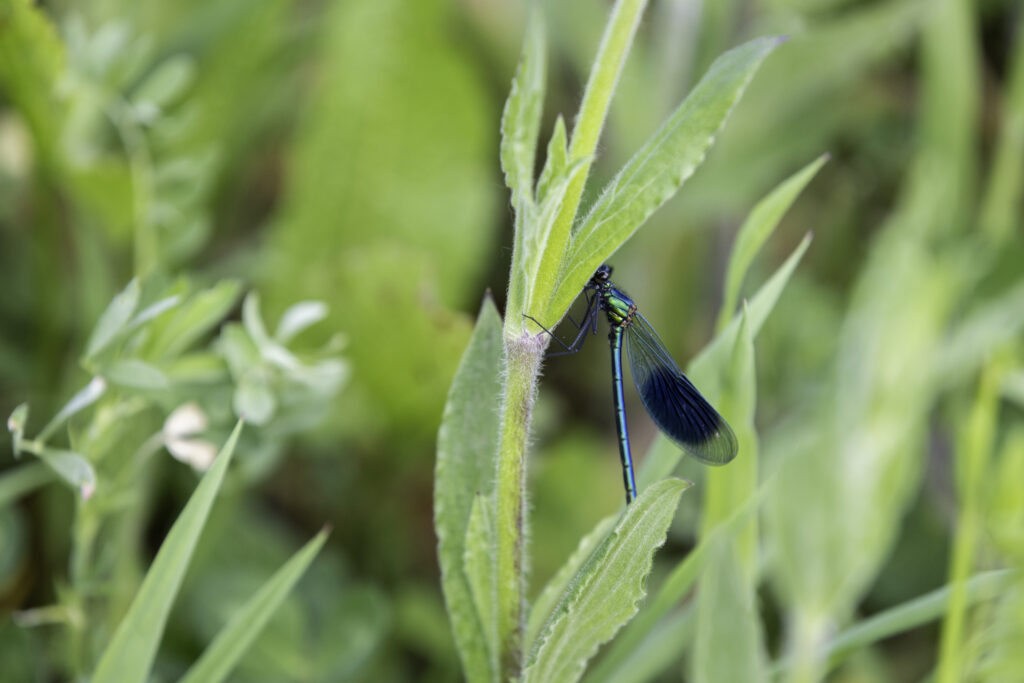
Healthy wetlands store carbon and slow the flow of water, supporting an abundance of plant life. These help provide breeding grounds for wildlife and create the perfect home for a wide range of species, from dragonflies to carnivorous plants to fluttering butterflies.
Habitat protection and conversation is important to us at Welbeck to protect our wildlife, flora and fauna.
We do this through a range of methods such as rotational grazing, crop selection, woodland management, regenerative farming principles and vermin control.
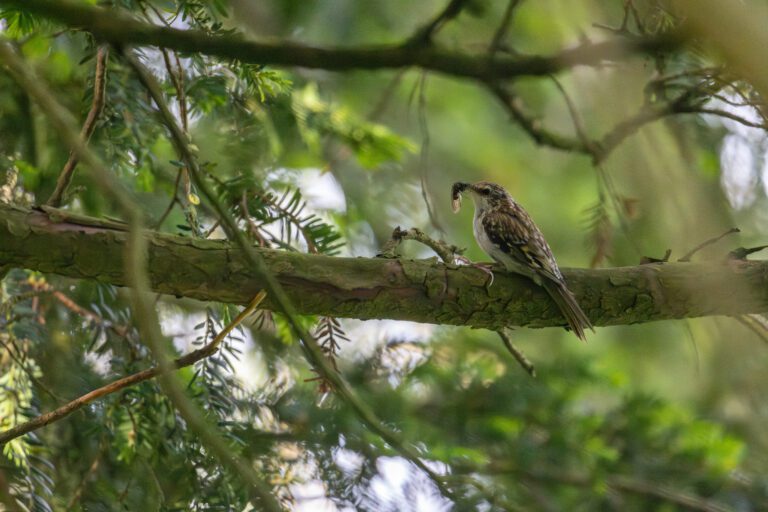
Welbeck is home to a diverse range of bird species, including birds of prey and wetland species, some of which are on the UK’s official list of Birds of Conservation Concern.
Our annual bird count surveys monitor the birds on the Welbeck Estate, including farmland, woodland and waterways.
We have an intricate mosaic of natural, semi-natural and man-managed landscapes at Welbeck.
We recognise that they are all intrinsically linked to one-another and work hard to ensure that our own practices do not adversely impact these delicate ecosystems.
Such practices include grass margins, wild bird mixes, pollen and nectar-flower mixes, deadwood habitats, hedge laying and invasive weed control.