

They frame views, shelter wildlife, mark old routes and connect today’s visitors with the generations who have walked, worked and lived among them. Some are celebrated for their beauty, others for their age, and a few have stories so remarkable that they have become woven into Welbeck’s heritage.
Welbeck sits within the historic Dukeries, an area long associated with great estates, parkland and remnants of the ancient Sherwood Forest. Its veteran trees are part of that wider story: a living archive of woodland management, designed landscapes, deer parks, farming and conservation.
Old oaks, in particular, have a special presence here. Their broad crowns, hollow trunks and weathered limbs provide habitat for birds, bats, insects, fungi and lichens, while also giving the estate much of its character. Each tree carries signs of age and use: lightning scars, pollarded branches, cavities, deadwood and new growth, all part of the rich ecology of a mature landscape.
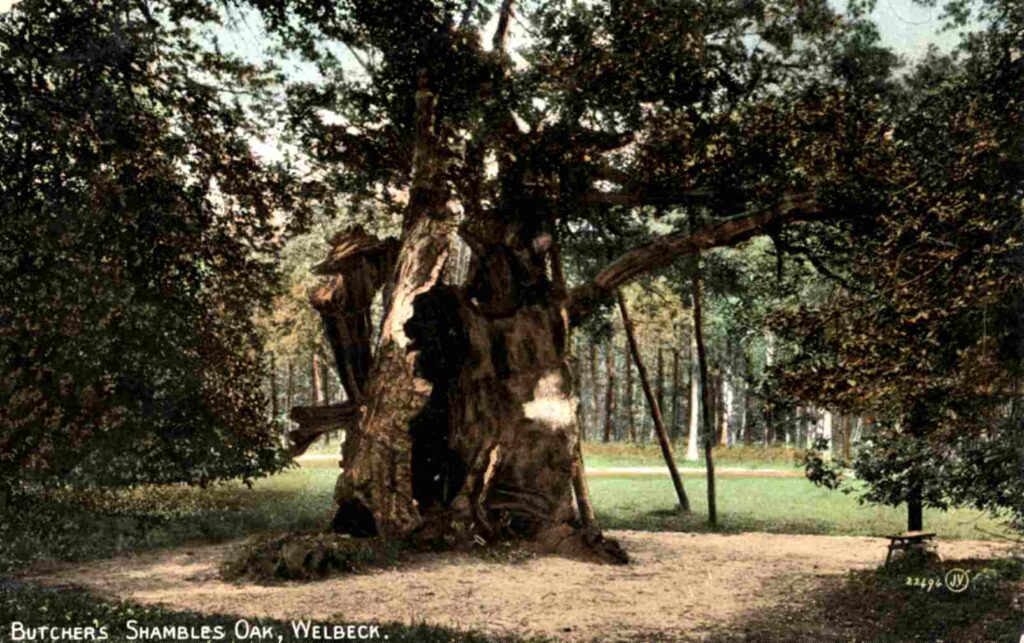
Of all Welbeck’s trees, none is more storied than the Greendale Oak. Once standing in Welbeck Park, this extraordinary ancient oak was already famous by the 18th century and was described in historical accounts as being several hundred years old, with estimates ranging from around 800 to 1,500 years.
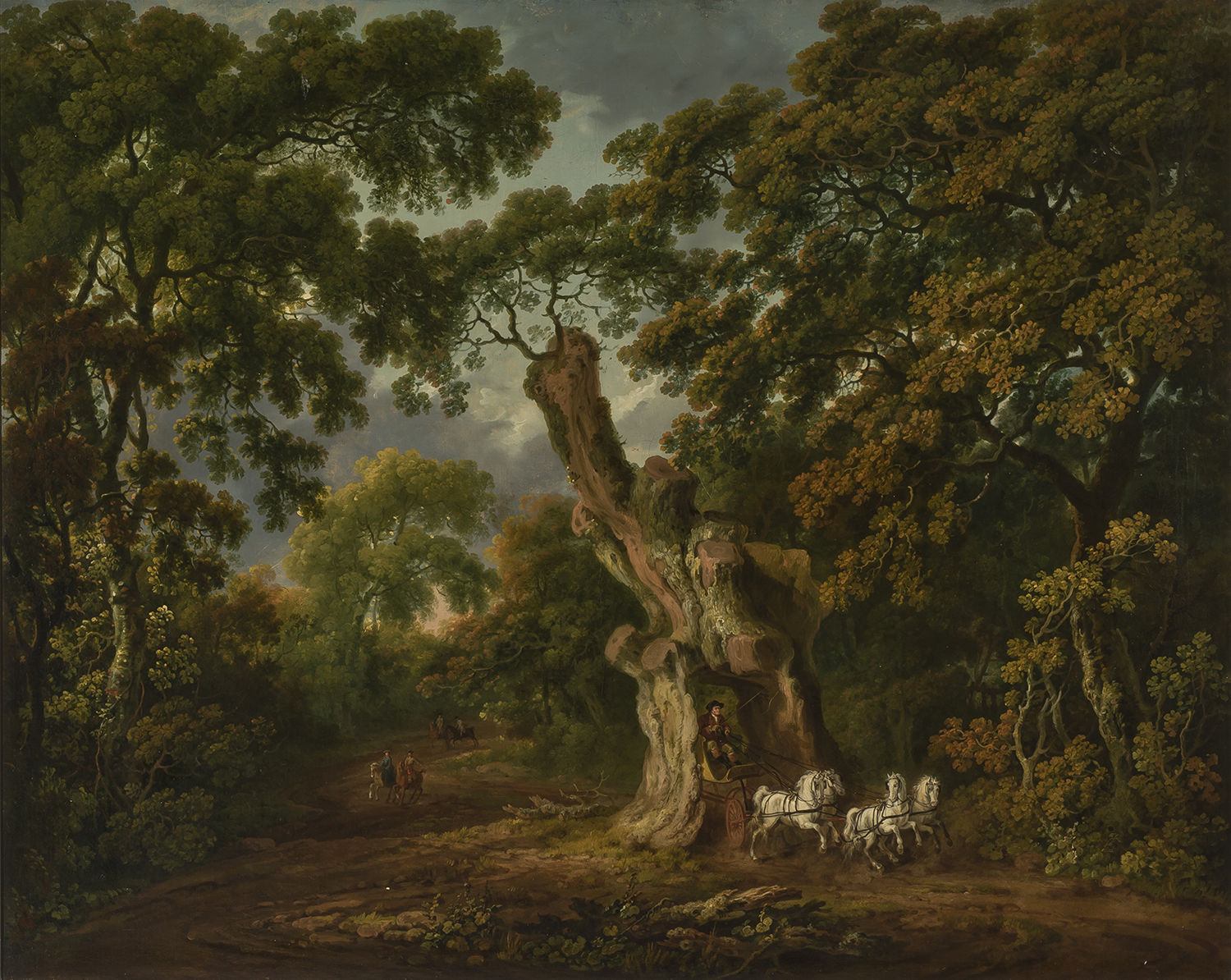
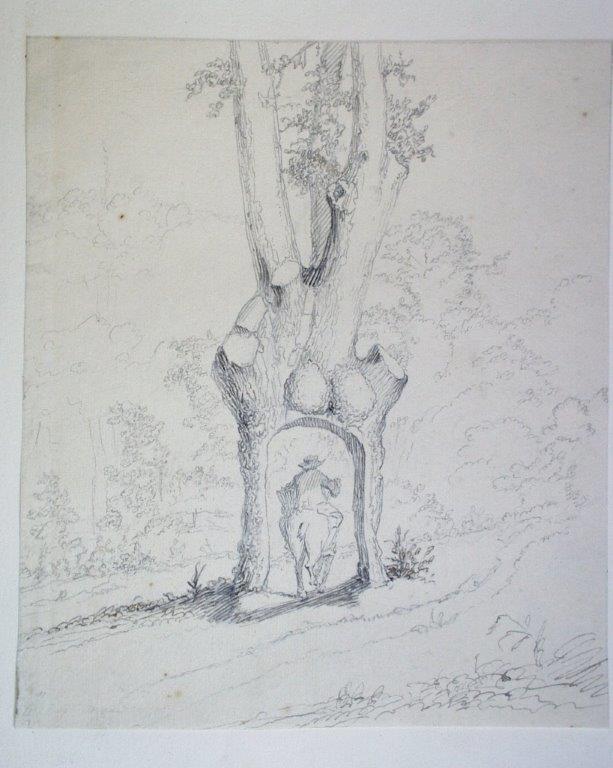
Its fame grew from a remarkable episode in 1724, when an aperture was cut through the trunk large enough for a carriage to pass through. Historical accounts record that this was done to settle a wager, with the Duke of Portland proving that one of Welbeck’s oaks was vast enough to allow a horse-drawn carriage through its living bole, albeit with a miniature horse and cart.
The image of a carriage passing through the hollowed oak captured the imagination of artists, writers and visitors. Engravings and drawings of the Greendale Oak circulated widely, helping to secure its place among the notable trees of England and in the folklore of the Welbeck Estate.
The story did not end with the wager. The timber cut from the Greendale Oak was used to create the Greendale Oak Cabinet, one of the notable pieces associated with Welbeck’s historic collection. Made for the Countess of Oxford, the cabinet transformed a dramatic moment in the estate’s landscape history into a lasting work of craftsmanship.
The cabinet includes inlaid imagery of the horse and carriage passing through the oak, preserving the story in wood taken from the tree itself. In this way, the Greendale Oak became both a natural wonder and an object of artistry: a tree celebrated not only in the landscape, but within the rooms and collections of Welbeck Abbey.
Today, the famous trees of Welbeck remind us that heritage is not only found in buildings, archives and artworks. It can also be rooted in soil, shaped by seasons and carried forward in living forms. Ancient and veteran trees are precious because they hold ecological value and cultural meaning at the same time.
They support wildlife, enrich the landscape and offer a tangible connection to the past. Their stories help us understand how people have valued trees for beauty, timber, shade, status, memory and wonder across many generations.
Alongside its historic trees, Welbeck is also home to a carefully managed modern forestry operation. With extensive mixed woodland across the estate, the forestry team works sensitively to protect and enhance the landscape while supporting timber quality, wildlife and long-term woodland resilience.
Under the Welbeck Woodland Management Plan, woodland thinning is carried out where needed to improve the structure and health of the woods, allowing stronger trees to flourish and creating more varied habitats for plants and wildlife. The estate’s woodlands include a mix of broadleaf and conifer planting, managed with an understanding of both their productive value and their ecological importance.
Welbeck’s approach also looks to the future. Through its Countryside Stewardship Higher Tier Woodland agreement, the estate is working to guide woodland management over the coming years, bringing together forestry, conservation and wider estate teams. Timber from the estate is put to practical use too, with selected felled wood helping to provide renewable heat for Welbeck Abbey, commercial spaces, holiday lets and residential properties.
This balance of careful intervention and long-term stewardship reflects the estate’s broader responsibility: to manage woodland as a living, working landscape where heritage, biodiversity and sustainability are all part of the same story.
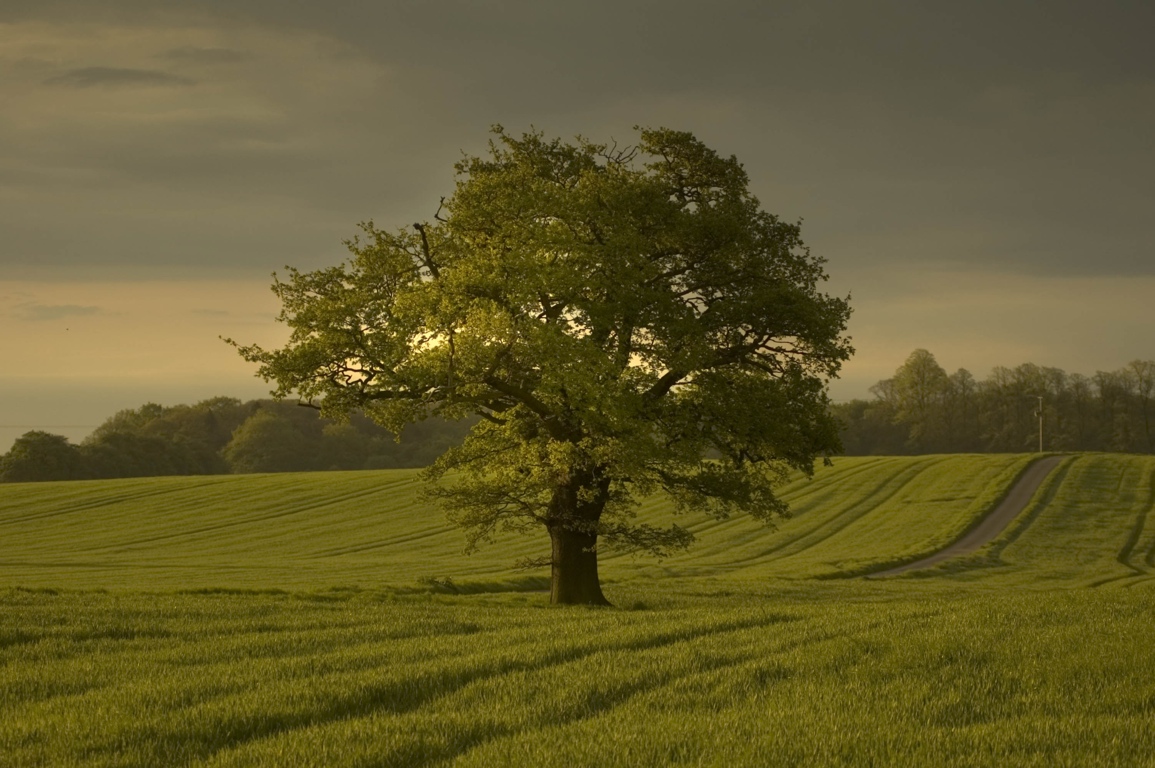
As the estate continues to evolve, the care of its trees remains an important part of looking after Welbeck’s landscape. Protecting mature trees, encouraging new planting, managing woodland thoughtfully and supporting biodiversity all help ensure that future generations can enjoy the same sense of scale, beauty and continuity.
From the legendary Greendale Oak to the veteran trees that continue to stand across the estate today, Welbeck’s trees invite us to pause, look more closely and appreciate the deep relationship between nature, heritage and place.
Cat Elaine Storey is Marketing Manager at the Welbeck Estate, where she combines a decade of marketing experience with a lifelong love of creativity and storytelling. With a Master’s degree in Fine Art and a 1st Class BA Hons Decorative Arts Degree from Nottingham Trent University and a background rooted in the arts, Cat brings warmth, imagination and thoughtful strategy to her work. She is particularly passionate about sharing Welbeck’s rich history in ways that feel meaningful and engaging, helping people connect with the estate’s heritage, character and sense of place. Her approach blends artistic insight with clear marketing thinking, creating stories that feel authentic, memorable and full of heart.