

Hidden within the remarkable garden history of the Welbeck Estate is a story of ambition, horticultural skill and a taste for the exotic. The estate’s historic pineapple pits belong to an age when producing a single tropical fruit in the English Midlands was an extraordinary achievement. Before rapid refrigerated transport and global food supply chains, a fresh pineapple was difficult to bring to Britain in good condition. Growing one at home therefore required purpose-built structures, dependable sources of heat and gardeners with exceptional patience. At Welbeck, the pits formed part of a wider landscape shaped by technological confidence and the determination to make even the apparently impossible flourish.
Pineapples originate in tropical South America, probably within the Orinoco basin, and were already cultivated widely across the Americas before Europeans encountered them. Their unusual form, intense fragrance and sweetness fascinated European writers. Dutch horticulturists pioneered their cultivation in northern Europe during the late seventeenth century, and English growers followed in the early eighteenth century. Because the plants needed warmth throughout the year and the fruit spoiled on long voyages, a fresh pineapple became a conspicuous luxury. It might be displayed at a banquet before it was eaten, presented as an important gift or even hired as a table decoration. Producing one on an English estate advertised wealth, but it also demonstrated the knowledge and reputation of the gardening team.
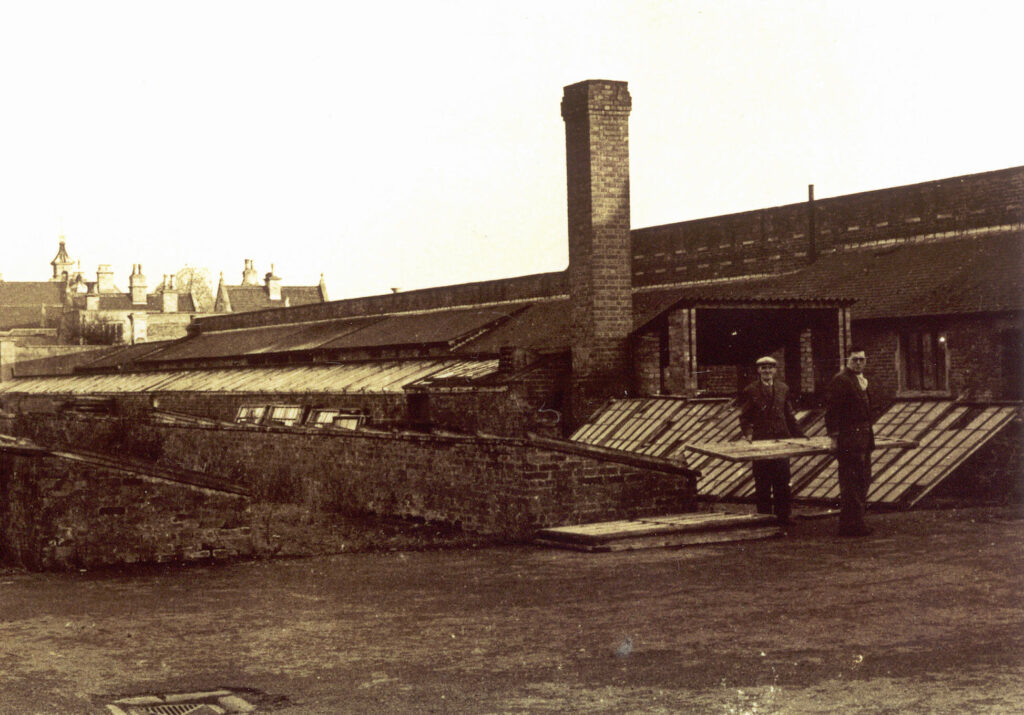
Pineapple pits were ingenious examples of early environmental control. Designs varied, but they were generally sunken, brick-lined structures covered by sloping glazed frames that admitted sunlight while retaining heat. Pots containing pineapple plants were bedded into a central growing area. Heat was generated naturally through the fermentation of fresh horse manure, leaves or spent oak bark from the tanning industry. In some designs, this material filled surrounding trenches; in others, pots were plunged directly into a warm bed. As decomposition released heat, the brickwork and glass helped create a humid microclimate far removed from a Nottinghamshire winter.
The system demanded constant attention. Gardeners monitored the warmth of the bed, added or replaced fermenting material, watered sparingly and adjusted the glass lights to balance ventilation and humidity. Overheating could scorch roots or encourage disease, while a sudden fall in temperature could set growth back for months. Plants were propagated from crowns or side shoots, raised in pots and moved through different stages before fruiting. A crop could take two or three years, so the pits had to be managed across every season. The eventual fruit was therefore less a simple harvest than the culmination of a long, carefully controlled process.
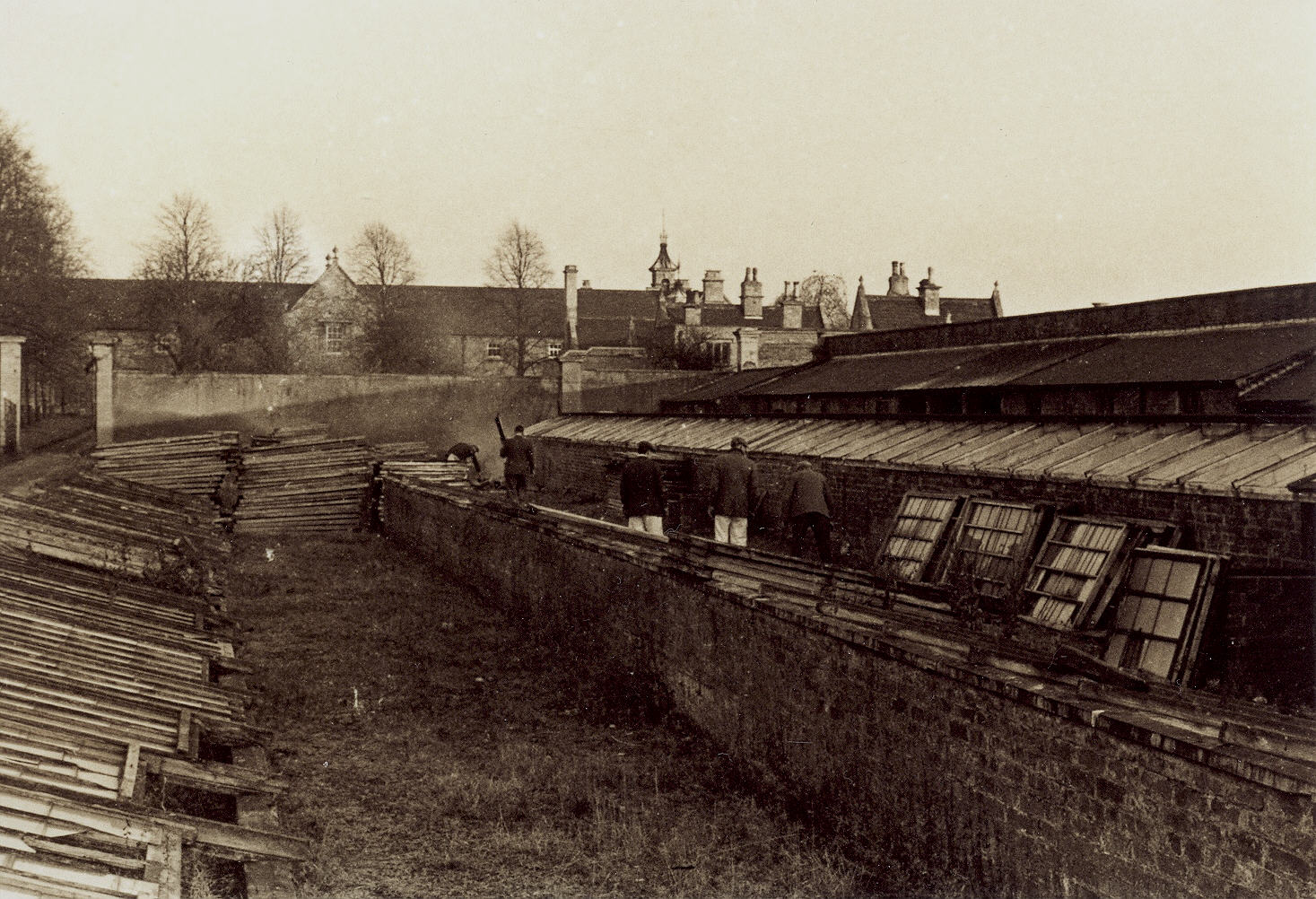
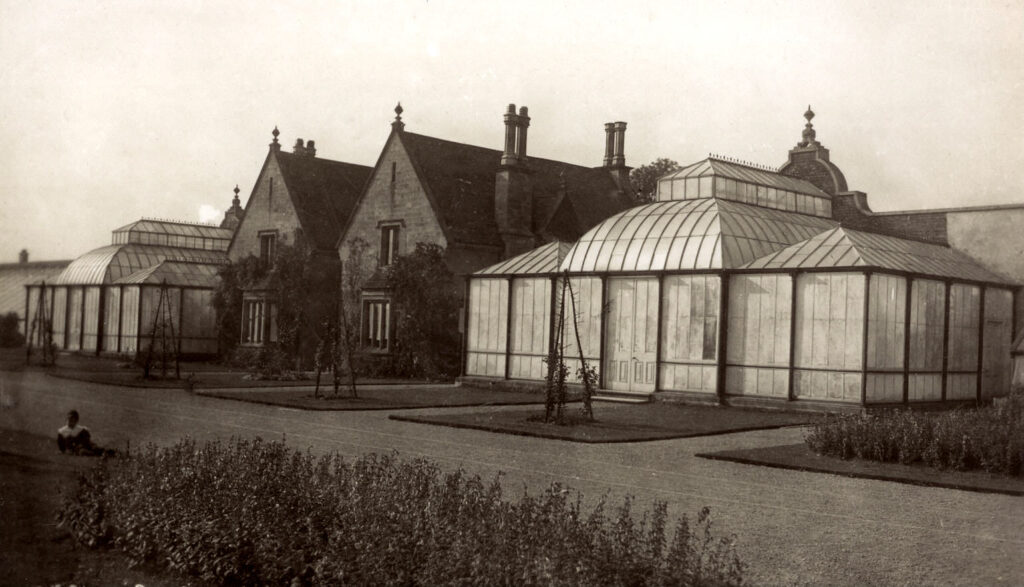
At Welbeck, the pineapple pits were part of a much larger tradition of productive and ornamental gardening. In 1860, the fifth Duke of Portland commissioned a new kitchen garden inspired by the 17-acre royal walled garden at Windsor Great Park. Characteristically, Welbeck’s version was larger: it enclosed some 22 acres. The garden was equipped with advanced horticultural infrastructure, including glasshouses, heating systems and water supplies. Historical accounts also describe an underground system for collecting and distributing rainwater and an iron fruit arch around 700 feet long, planted with apples on one side and pears on the other.
This extensive garden supplied vegetables, salads, herbs, flowers and fruit for the Duke’s household at Welbeck Abbey and for those who lived and worked on the estate. Its heated houses and pits extended the season and allowed specialist crops to be cultivated throughout the year. Pineapples sat at the most demanding end of this operation. Their successful cultivation depended upon a structured workforce: labourers moved bulky heating material, young gardeners cleaned frames and tended pots, while senior staff interpreted temperatures, growth and seasonal conditions. The pits therefore tell a human story as well as a technological one. Behind every fruit stood repeated acts of observation, judgement and physical work.
The very qualities that made pineapple pits impressive also made them expensive. They consumed large quantities of organic material, occupied valuable garden space and required skilled labour every day. During the nineteenth century, improved hot-water heating made larger pineries and glasshouses easier to manage. Later, faster steamships and expanding trade brought imported pineapples to Britain in greater numbers and at lower cost. By the end of the century, the fruit was gradually losing its exclusivity, and many traditional pits fell out of use, were adapted for other crops or disappeared altogether.
Although Welbeck’s pineapple pits no longer survive, their site continues a tradition of ingenuity and skilled making. In 2000, the East Workshops were built there for the Harley Foundation to a design by leading British architect John Outram. Today, these distinctive buildings provide subsidised studios for a thriving community of artists, designers, makers and conservation specialists—transforming a place once devoted to ambitious horticulture into one that nurtures creativity.
The wider kitchen garden has also entered a new chapter. Restoration work that began in 2021 has returned parts of the historic walled garden to cultivation, once again supplying estate-grown vegetables, salads, herbs and fruit. This renewed focus on growing gives the story of the pineapple pits fresh resonance. Their gardeners used decomposing organic material, brick and glass to recreate tropical conditions in the heart of Sherwood Forest—a demanding process shaped by patience, observation and teamwork. Pineapples may now be commonplace, but their cultivation at Welbeck remains a remarkable example of the estate’s enduring spirit of experimentation and innovation.
Cat Storey is the Welbeck Estate Marketing Manager, bringing with her a decade of marketing experience. With a strong foundation in the arts, Cat holds a Master’s degree in Fine Art from Nottingham Trent University, a background that inspires her creative marketing and strategic approach. Cat has a particular passion for crafting compelling stories around the local history of the estate, weaving narratives that engage audiences and celebrate Welbeck’s rich heritage. Her unique blend of artistic vision, storytelling, and marketing expertise enables her to tell stories that resonate with the community and beyond.