

At a time when exotic feathers were the height of fashion, Winifred, Duchess of Portland, chose to stand up for the birds being sacrificed to supply them. From Welbeck Abbey, she used her influence not simply to support animal welfare, but to drive meaningful change. Her particular concern for wild birds would place her at the heart of one of Britain’s earliest and most successful conservation campaigns.
In 1891, she became the first president of the fledgling Society for the Protection of Birds. She remained in the role until her death in 1954—an extraordinary 63 years that made her its longest-serving president. Under her leadership, a small campaigning group grew into a nationally respected organisation. Its most urgent battle was against the use of wild bird feathers and skins to decorate fashionable hats, a lucrative trade responsible for the slaughter of countless birds worldwide. The Duchess brought determination, profile and powerful connections to the cause. Her friendship with Queen Alexandra helped attract royal support, and in 1904 the Society received its royal charter, becoming the Royal Society for the Protection of Birds. Through two world wars and profound social change, she continued to chair meetings, rally supporters and keep bird protection firmly in the public eye.
Progress was hard won. For three decades, the Society pressed Parliament to restrict the import of plumage and bird skins into Britain. Success finally came in 1922, but the Duchess did not step away once the law changed. For another 32 years, she sustained the organisation’s momentum and encouraged people to see wild birds not as fashion accessories, but as creatures worthy of protection. Shortly before her death, she witnessed the Wild Birds Protection Act of 1954 introduce stronger safeguards and help lay the foundations for species recovery—a fitting final milestone in her remarkable presidency.
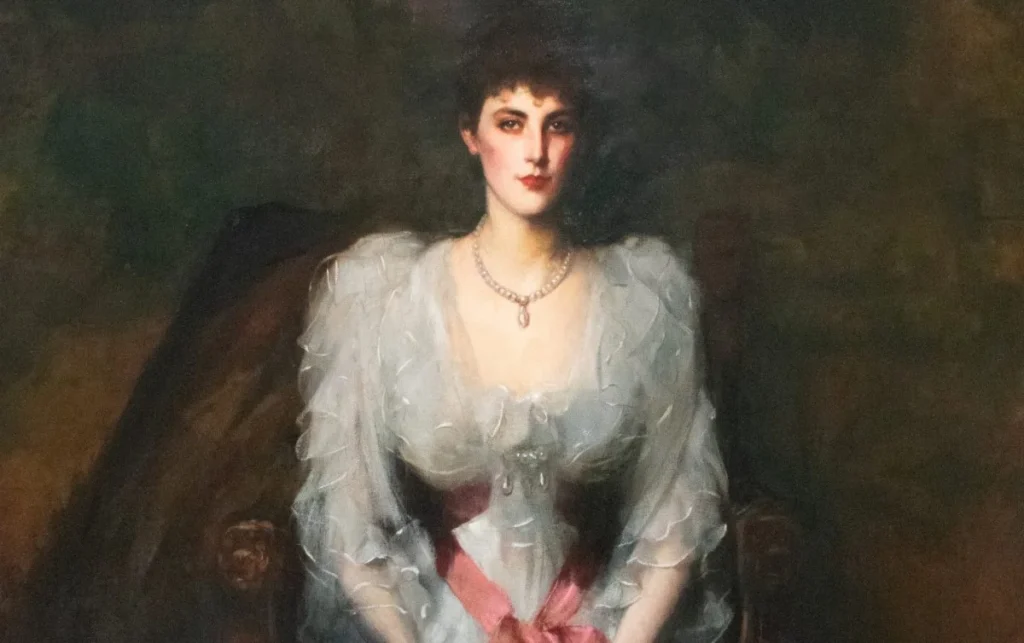
Her compassion extended far beyond birds. The Duchess served as vice-president of the Royal Society for the Prevention of Cruelty to Animals and as president of its ladies’ committee. At Welbeck, she gave old horses, ponies and dogs a safe home, turning her principles into practical care. She also supported organisations promoting kindness to animals and became a vegetarian in the early twentieth century. Winifred’s achievement lay in combining personal conviction with sustained public action. By lending her voice, status and remarkable persistence to animal welfare, she helped move conservation from the margins into the mainstream. Her legacy lives on in the work of the RSPB and RSPCA—and in the simple but powerful idea that every creature deserves protection.
Cat Storey is the Welbeck Estate Marketing Manager, bringing with her a decade of marketing experience. With a strong foundation in the arts, Cat holds a Master’s degree in Fine Art from Nottingham Trent University, a background that inspires her creative marketing and strategic approach. Cat has a particular passion for crafting compelling stories around the local history of the estate, weaving narratives that engage audiences and celebrate Welbeck’s rich heritage. Her unique blend of artistic vision, storytelling, and marketing expertise enables her to tell stories that resonate with the community and beyond.