

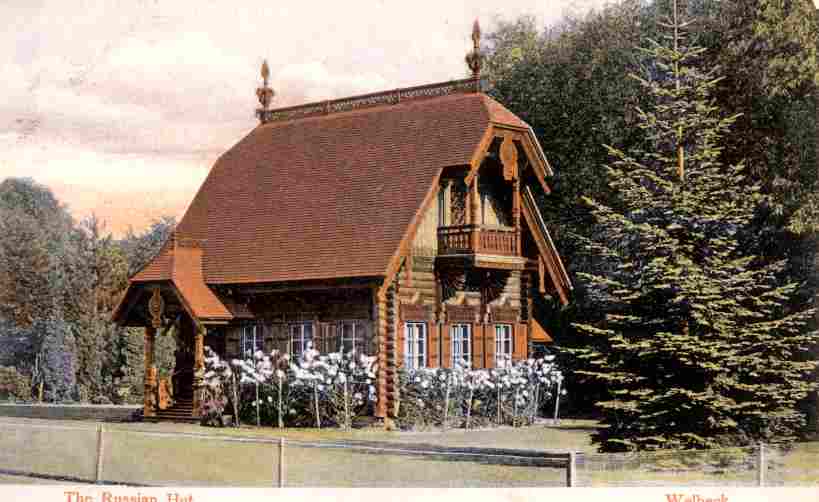
The 6th Duke of Portland reportedly acquired the timber building at a Russian exhibition. Its design reflected traditional log-building methods rather than the masonry architecture more commonly associated with an English country estate.
The dismantled structure was brought to Nottinghamshire and rebuilt among the trees in the Birklands area of Sherwood Forest. Its timbers were carefully fitted together and secured with wooden dowels instead of nails.
The hut became part of the estate’s sporting landscape. The 6th Duke, a keen sportsman, used it during shooting parties as a convenient place for guests to stop, shelter and take refreshments between drives.
Prince Edward and Princess Alexandra visited Welbeck for a shooting party. Although surviving information does not confirm that they used the hut, the visit illustrates the scale and status of the sporting occasions for which estate lodges such as this were maintained.
The Russian Hut remained a practical and picturesque woodland retreat, combining imported craftsmanship with the hospitality and organisation of country-house sport.
At the start of the Second World War, the estate was used first by the Scottish Horse Yeomanry and later by several artillery regiments. The hut’s peaceful sporting setting was drawn into this new military landscape.
The army used the Russian Hut while munitions stores were located nearby. Its role changed from a place of leisure and refreshment to a useful building within the estate’s wartime activities.
Welbeck became the Northern Command Formation College, training demobilised soldiers and members of the Auxiliary Territorial Service. The hut survived the war, but the estate around it was entering a very different period.
After around eight decades in the woodland, the timber structure had deteriorated. Its condition worsened until it was judged unstable and no longer safe to retain.
The Russian Hut was pulled down, ending approximately 80 years of use on the estate.
The hut is remembered through historic photographs and estate records. Its story connects Victorian collecting and craftsmanship, aristocratic sporting life, the military occupation of Welbeck and the later loss of a distinctive woodland building.
The hut was reportedly bought by the 6th Duke of Portland at a Russian exhibition in 1874 and subsequently erected on the Welbeck Estate. Its method of construction was particularly distinctive: no nails were used. Instead, the timbers were fitted together and secured with wooden dowels, demonstrating a traditional building technique that was both practical and highly skilled.
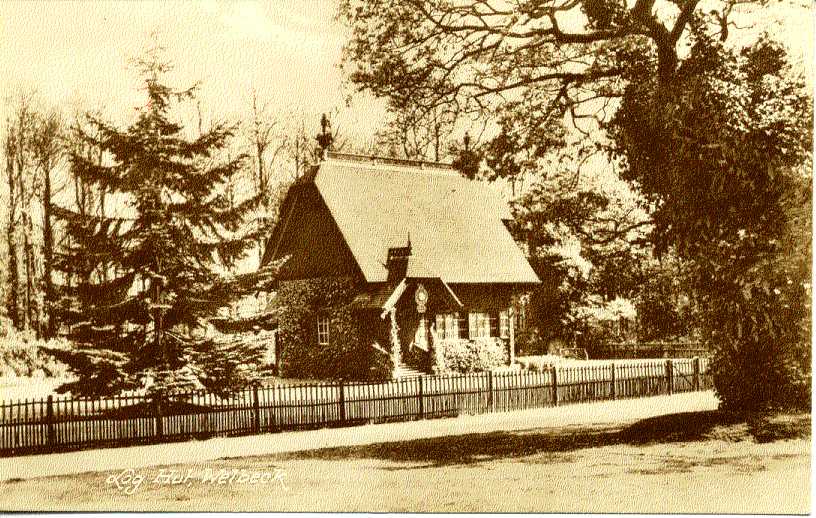
The 6th Duke was a keen sportsman who hosted numerous shooting parties at Welbeck. The Russian Hut was used as a shooting lodge: a warm, dry place where the Duke and his visitors could pause for food and drink while spending the day in the surrounding woodland. In this way, the building combined novelty with a useful purpose, becoming part of the elaborate organisation that supported country-house sport during the late Victorian and Edwardian periods.
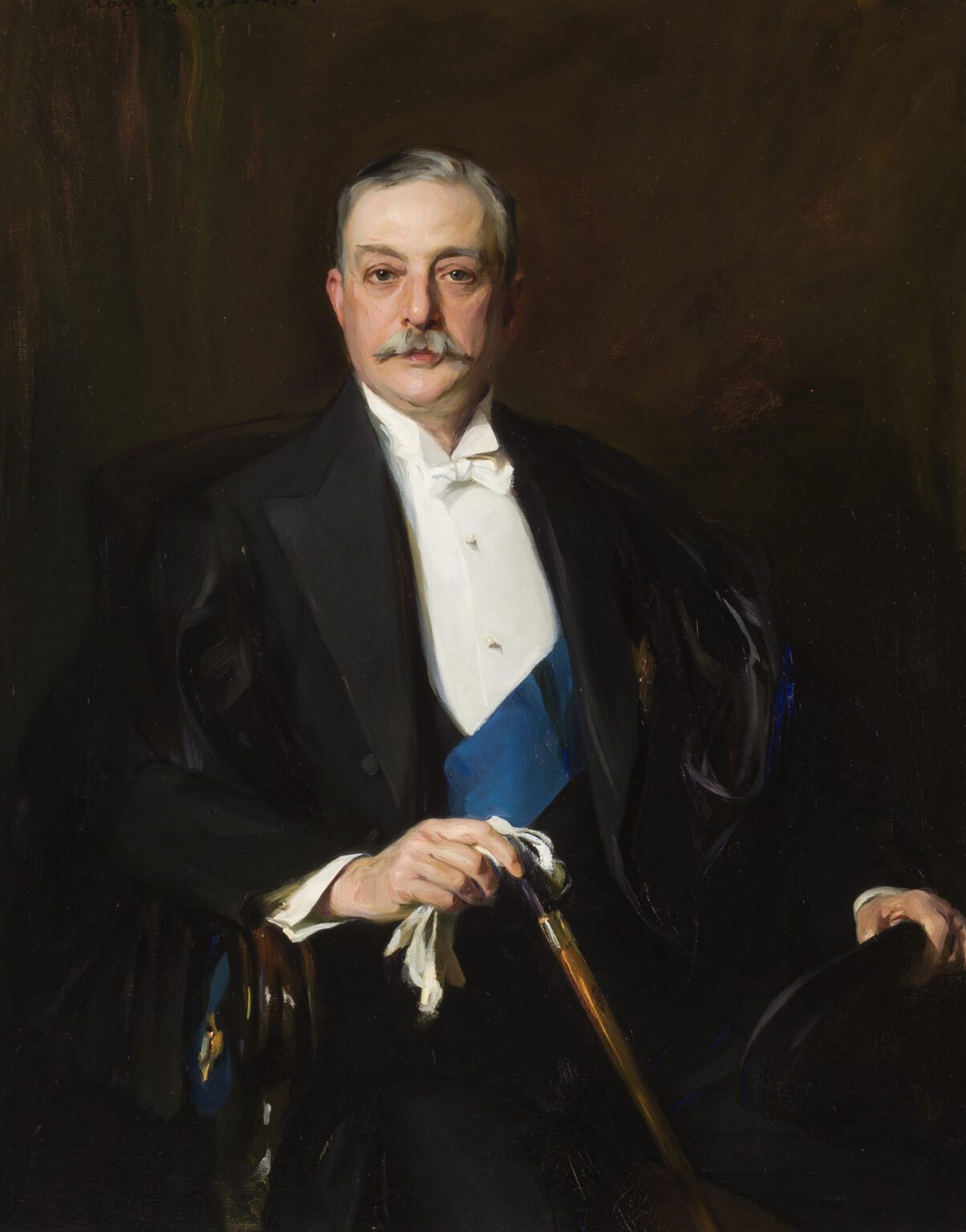
During the Second World War, the hut took on a very different role. The army used the building while munitions stores were located nearby, linking this quiet woodland retreat with the wider wartime activity that affected estates across Britain. Its survival through this period added another layer to a history that had begun with aristocratic leisure.
By the middle of the 20th century, the timber structure had deteriorated and was judged to be unstable. The decision was made to pull it down in 1954. Although the Russian Hut no longer survives, historic photographs preserve its appearance and hint at how unexpected it must once have seemed among the trees of Birklands.
The Russian Hut is a reminder that the history of Welbeck can be found not only in its grand houses and celebrated works of architecture, but also in smaller, more eccentric buildings. Imported from an exhibition, built without nails, used for sporting hospitality and later requisitioned for wartime purposes, it reflected several very different periods in the life of the estate. Today, its story remains an intriguing fragment of Welbeck’s rich and varied past.
Cat Storey is the Welbeck Estate Marketing Manager, bringing with her a decade of marketing experience. With a strong foundation in the arts, Cat holds a Master’s degree in Fine Art from Nottingham Trent University, a background that inspires her creative marketing and strategic approach. Cat has a particular passion for crafting compelling stories around the local history of the estate, weaving narratives that engage audiences and celebrate Welbeck’s rich heritage. Her unique blend of artistic vision, storytelling, and marketing expertise enables her to tell stories that resonate with the community and beyond.