
Earth Day is an opportunity to reflect on and celebrate the diverse habitats that make our landscape so unique. At Welbeck, we’re proud to highlight the efforts underway to support and enhance the varied ecosystems within our care.
Our reed beds at Carburton and Cuckney are a sanctuary for the Reed Bunting, which uses reeds, moss and grass to construct its nests. These wetlands are also home to the Reed Warbler, whose nests are ingeniously suspended between reed stems, offering protection for their chicks. Intriguingly, Reed Warbler nests may host Cuckoos, who replace the Warbler’s eggs with their own.
In 2026, we’re exploring new ways to nurture and expand these vital wetland environments.
The humble Common Earthworm is an unsung hero in our soils, acting as a powerful ecosystem engineer. These worms burrow vertically and live for 4 to 8 years on average. Their tunnels create pathways for oxygen and water, fostering biodiversity both below and above ground.
We have already established baseline data for soil nutrients and carbon levels. This year, we will focus on assessing soil structure and biology.
Our meadows support wildflowers such as Cowslip, which provide nectar for the earliest pollinators emerging from winter dormancy. Autumn Hawkbit ensure a continuous supply of nectar and pollen. The richness of species in grasslands is crucial for pollinators throughout the year.

These areas offer a mix of sunlight and shade, supporting a variety of species. Woodland edges are particularly beneficial for butterflies, such as the Brimstone, as they provide shelter and warmth on windy days. Our woodlands are managed under the Countryside Stewardship Higher Tier scheme, with the aim of promoting woodland health and resilience.
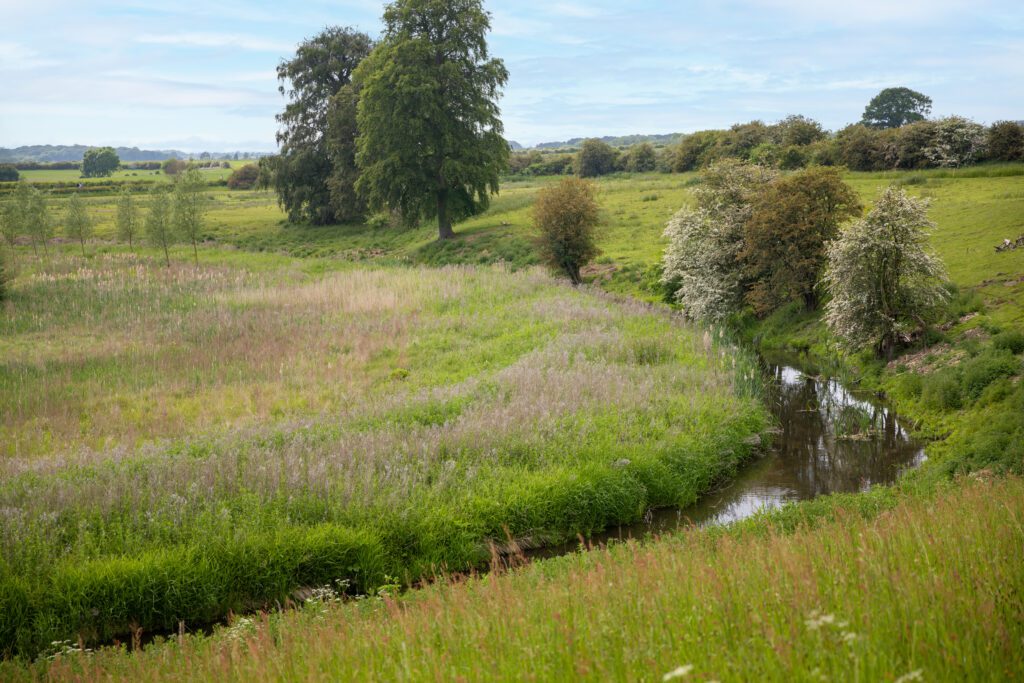
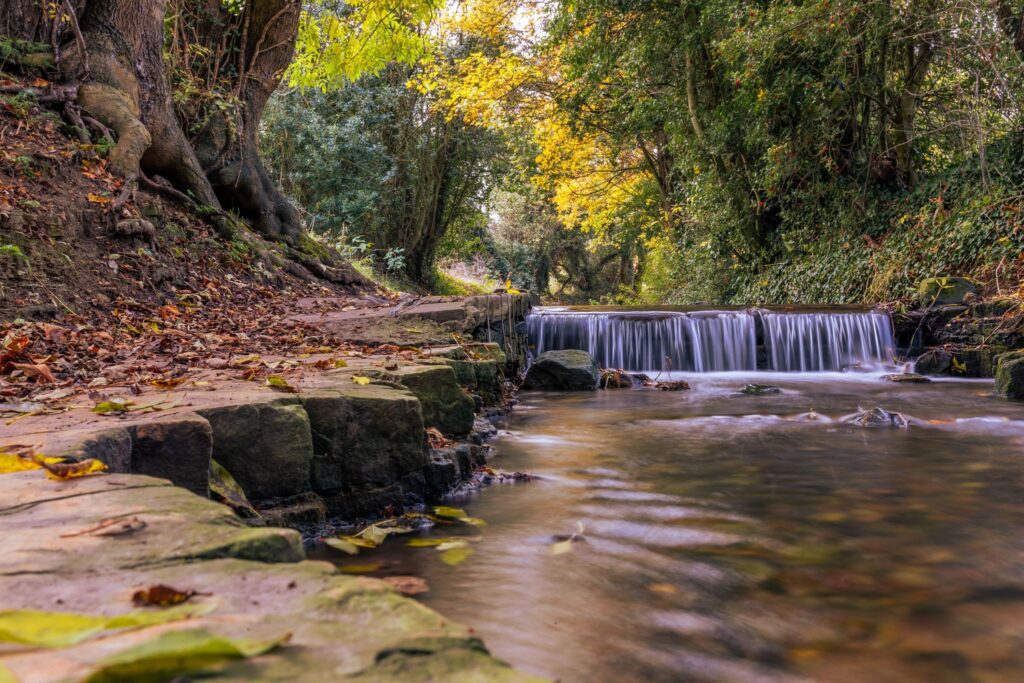
The River Poulter and other watercourses support aquatic life, including Pike that use submerged vegetation to hide and ambush prey. We are actively identifying places to further protect these waterways, building on existing wide, tussocky grass buffers that safeguard water quality across many farm fields.
While much progress has been made, there is still more to do. In 2026, our focus will be on:
We’re dedicated to monitoring the species that call Welbeck home. Recording this information is essential for understanding where improvements are needed and where our efforts are bearing fruit.