

Edward Harley, 2nd Earl of Oxford and Earl Mortimer, stands as one of the most remarkable figures in British cultural history. Born into a family renowned for its political and intellectual achievements, Edward Harley's greatest legacy lies not simply in his titles or estates, but in his extraordinary passion for collecting, his nurturing of the arts, and his lasting impact on the Welbeck Estate. Today, the Harley Foundation continues his vision, providing a vibrant hub for creativity and cultural engagement at Welbeck.
Edward Harley was born in 1689, succeeding his father, Robert Harley, a prominent statesman and the architect of much of Britain's early eighteenth-century politics. Edward inherited both the Welbeck Estate and an insatiable curiosity about the world, quickly establishing himself as a collector of international renown. His interests were wide-ranging, encompassing rare books, manuscripts, maps, coins, paintings, and antiquities. He saw his collections not merely as a display of wealth or status, but as a means of preserving knowledge and learning.

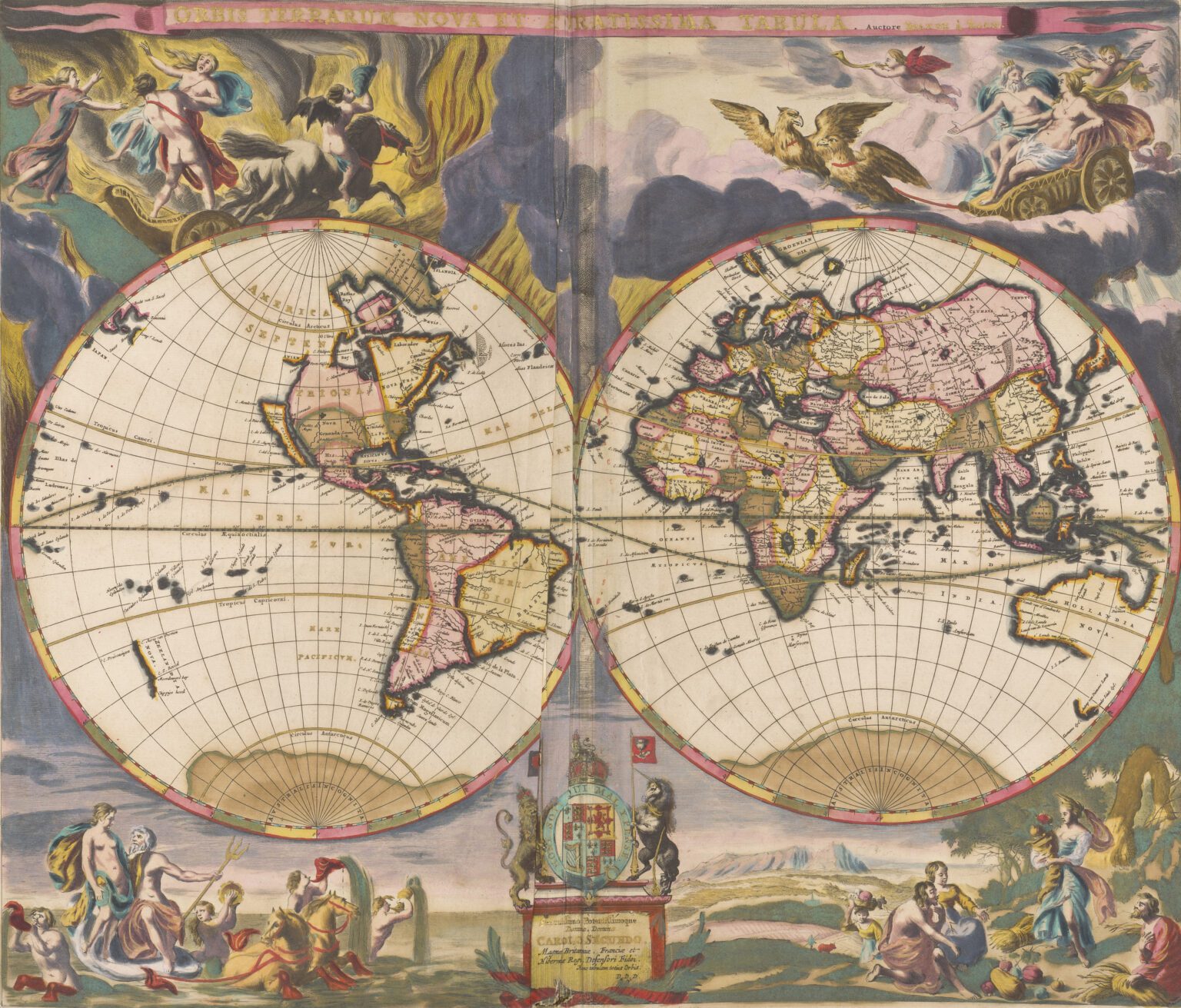
Harley's collecting habits were nothing short of prodigious. By the time of his death in 1741, he had amassed one of the largest and most diverse private libraries in England, with over 7,000 manuscripts and 50,000 printed books. Many of these manuscripts are now housed in the British Library, forming the core of the renowned 'Harleian Collection'. Among these treasures are medieval illuminated manuscripts, early English literary works, historical chronicles, and scientific treatises, each bearing witness to Harley’s commitment to intellectual curiosity and preservation.
His collections extended beyond books to include art and artefacts from across Europe and the Middle East. Harley was particularly fascinated by maps and coins, which he viewed as windows into the history and geography of civilisation. His dedication to cataloguing and organising these collections set new standards for scholarly activity in Britain, encouraging others to pursue similar endeavours and contributing to the development of public museums and libraries.
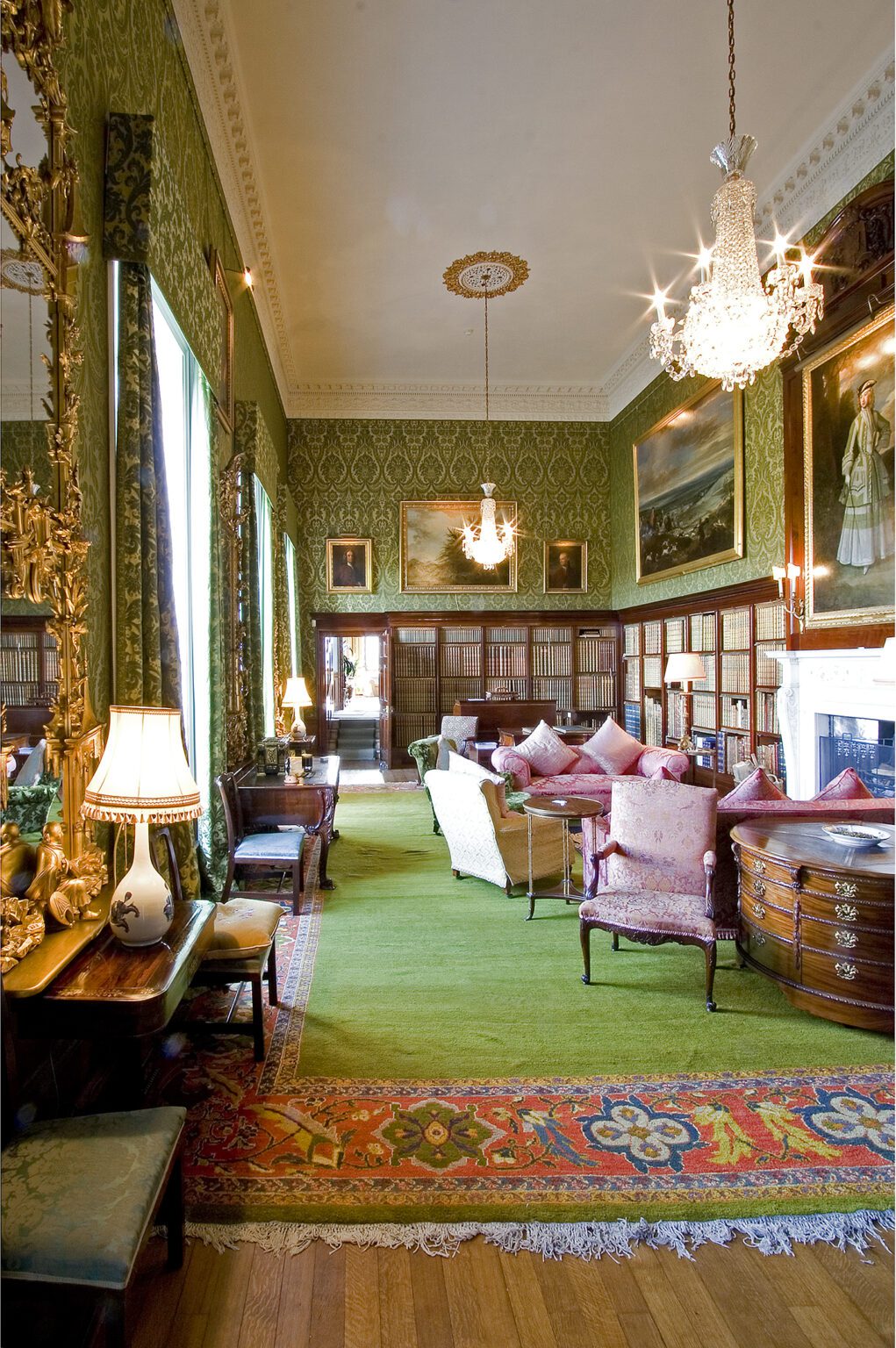
Inspired by Edward Harley’s example, the Harley Foundation was established in 1978 by the late Lady Ivy Cavendish Bentinck, a descendant of Harley, with the aim of promoting creativity and well-being through the arts. Based at Welbeck, the Foundation supports artists, makers, and the local community by providing studio spaces, exhibitions, educational programmes, and outreach projects. It seeks to uphold Harley’s legacy of intellectual exploration and cultural enrichment, making art accessible to all and nurturing new generations of creative talent.
The Harley Gallery, a centrepiece of the Foundation, regularly hosts contemporary art exhibitions, whereby its neighbour, The Portland Collection Museum, includes fine and decorative arts amassed by the Dukes of Portland and Harley descendants, further cementing Welbeck’s reputation as a beacon of culture and heritage.
Today, the Welbeck Estate is not just a historical landmark, but a thriving centre for arts, crafts, and community engagement. The Harley Foundation’s work ensures that Edward Harley’s vision remains alive, inspiring visitors, artists, and scholars alike. Whether wandering through the estate’s grounds on a walking trail, attending a workshop, or viewing an exhibition, guests are invited to connect with the spirit of curiosity and creativity that defined Harley’s life.
Edward Harley’s legacy is woven into the fabric of Welbeck, reminding us of the enduring power of art, learning, and the pursuit of knowledge. Through the Harley Foundation, his influence continues to shape and enrich the lives of all who visit and participate in the estate’s vibrant cultural programmes.
Cat Storey is the Welbeck Estate Marketing Manager, bringing with her a decade of marketing experience. With a strong foundation in the arts, Cat holds a Master’s degree in Fine Art from Nottingham Trent University, a background that inspires her creative marketing and strategic approach. Cat has a particular passion for crafting compelling stories around the local history of the estate, weaving narratives that engage audiences and celebrate Welbeck’s rich heritage. Her unique blend of artistic vision, storytelling, and marketing expertise enables her to tell stories that resonate with the community and beyond.