

Set within the gently rolling landscape of north Nottinghamshire, Welbeck Estate stands as one of England’s most distinctive historic estates—rich in architecture, landscape, and story. At the heart of its narrative is one of its most intriguing custodians: William John Cavendish-Scott-Bentinck, the 5th Duke of Portland. His life and legacy remain deeply intertwined with Welbeck, shaping not only its physical form but also its enduring mystique.
The Heritage of Welbeck Estate
Welbeck Abbey, the centrepiece of the estate, traces its origins back to 1140 when it was founded as a Premonstratensian monastery. Following the Dissolution of the Monasteries in the 16th century, the property passed into private hands and eventually became the seat of the Cavendish and later the Bentinck family, Dukes of Portland.
Over generations, each family member left their mark—adding layers of architectural ambition, landscape design, and cultural significance. Today, Welbeck remains a working estate spanning thousands of acres, with a unique blend of heritage, creativity, and rural enterprise.
Yet among all its stewards, none has captured the public's imagination quite like the 5th Duke.
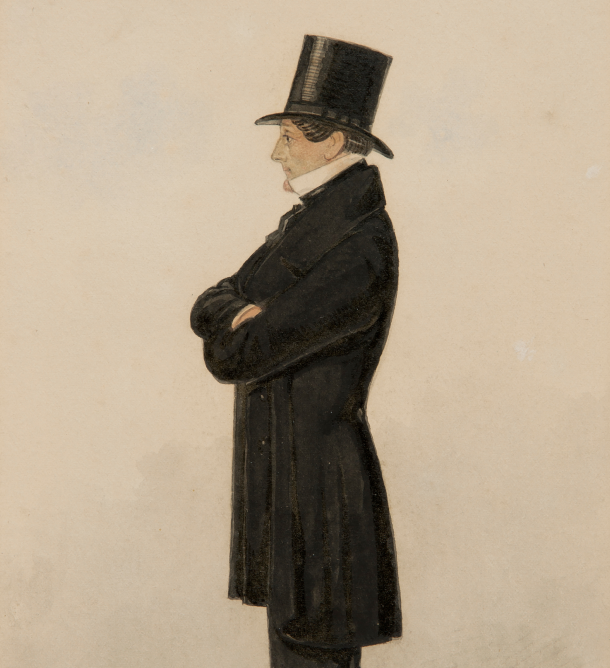
Born in 1800, William John Cavendish-Scott-Bentinck was not originally destined to inherit the dukedom. As the second son of the 4th Duke of Portland, his path initially lay in military service and politics, where he briefly served as a Member of Parliament for King’s Lynn.
However, the early death of his elder brother made him heir, and upon his father’s death in 1854, he became the 5th Duke of Portland.
Despite his aristocratic status, the Duke showed little enthusiasm for public life. He participated minimally in politics and delayed taking his seat in the House of Lords. Instead, he increasingly withdrew into private life—favouring solitude over society.
The ‘Burrowing Duke’
The 5th Duke is most widely remembered for his extraordinary and unconventional approach to living. Known as the “Burrowing Duke,” he transformed Welbeck into a place unlike any other in Britain.
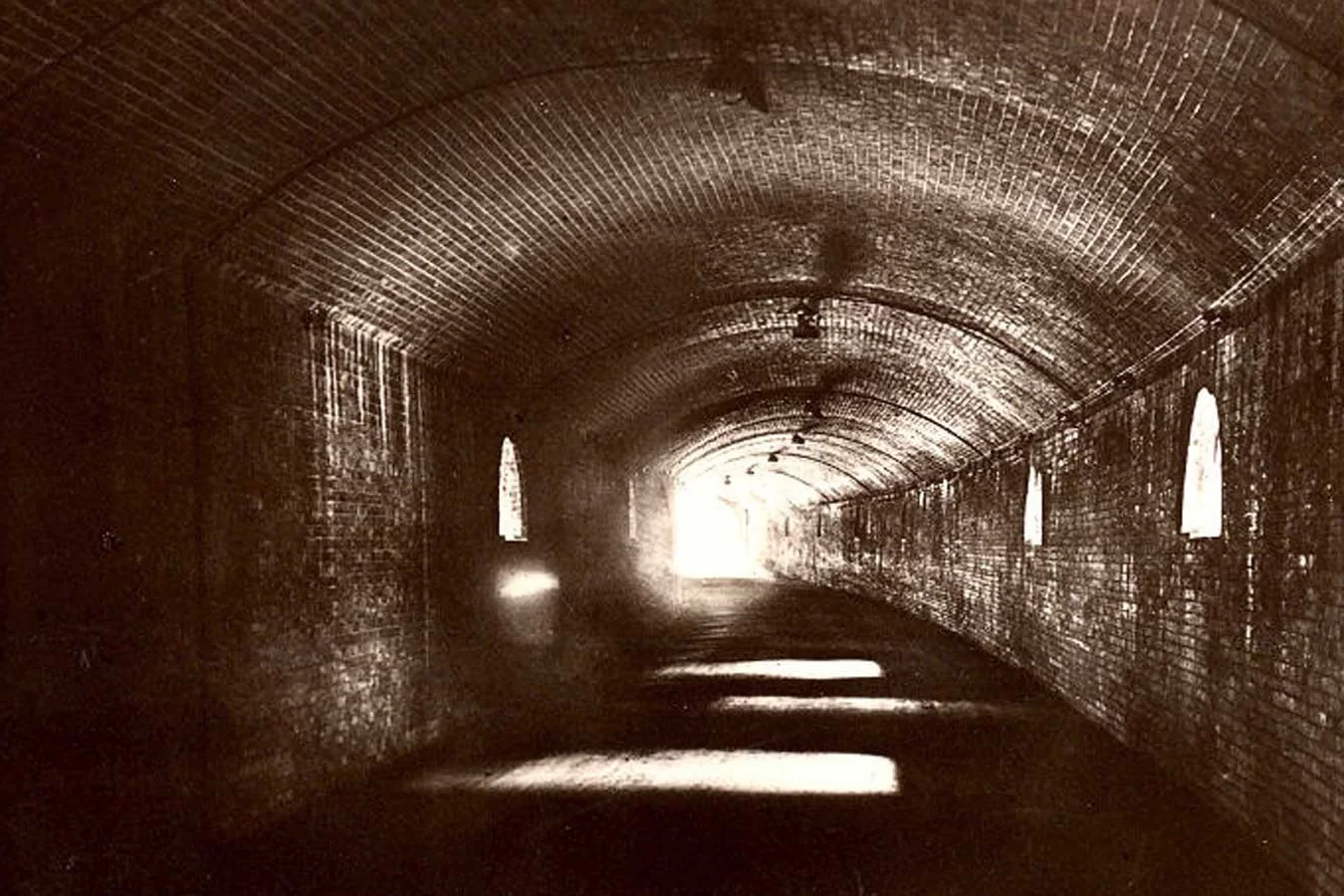
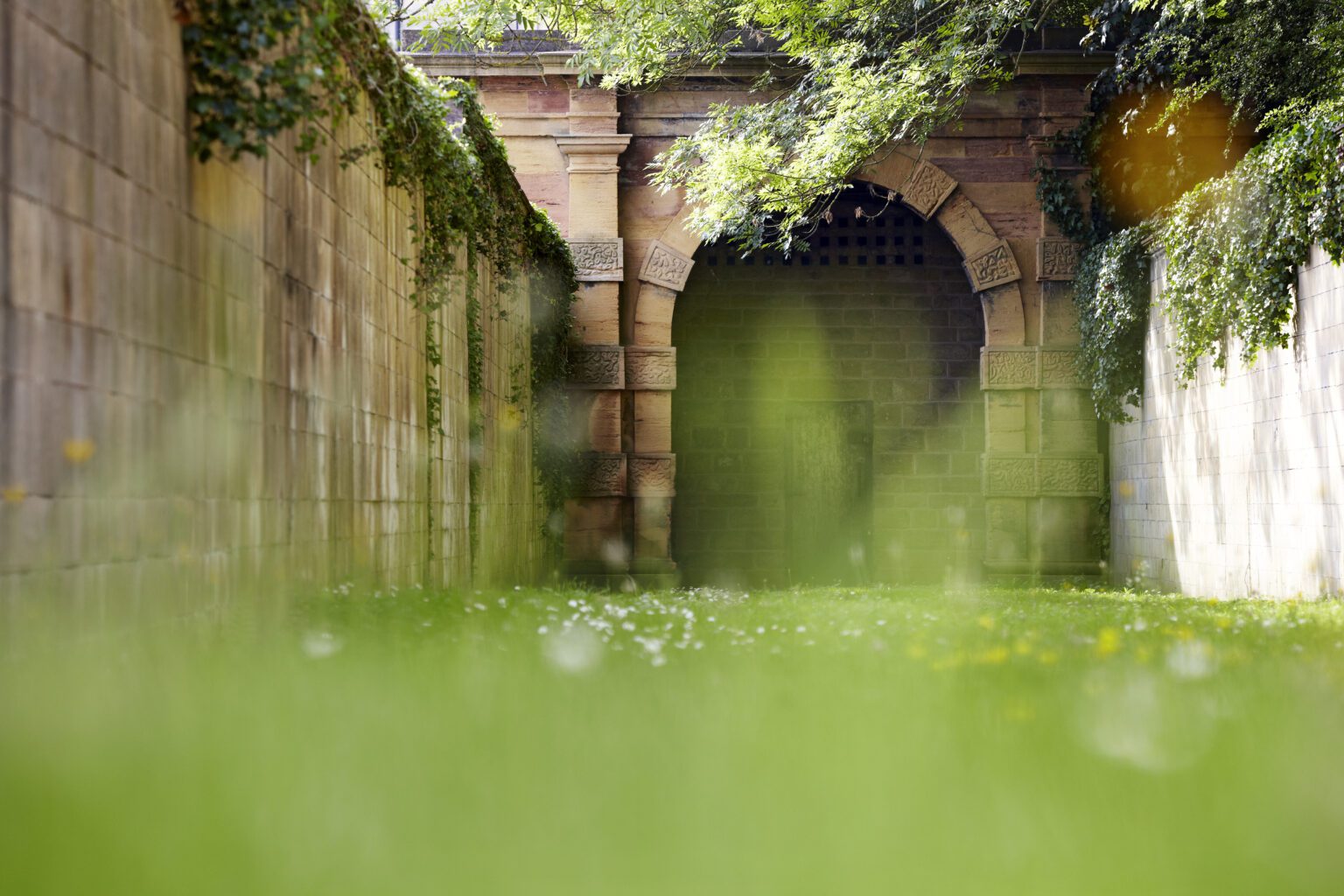
His most remarkable achievement was the creation of a vast network of underground spaces beneath the estate. These included miles of tunnels and subterranean rooms connecting buildings across Welbeck.
Some of these tunnels were large enough for carriages, while others linked the house to key estate features such as the riding school. The scale of these works was unprecedented in a private estate, representing both an engineering feat and a deeply personal vision.
Above ground, his influence was equally significant. The Duke commissioned substantial estate developments, including:
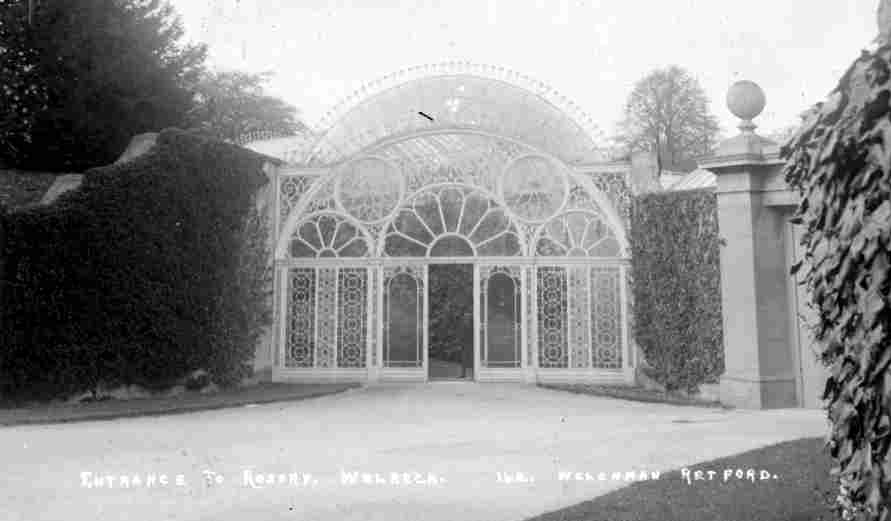
Extensive kitchen gardens—among the largest in Britain
A vast riding school, one of the largest of its kind
Numerous buildings, lodges, and infrastructure across the estate
Together, these works reshaped Welbeck into a landscape of both visible grandeur and hidden complexity.
The Duke’s building programme is inseparable from his personal life, which was marked by increasing reclusiveness. He avoided direct contact with others wherever possible, communicating with servants through notes and specialised arrangements.
Accounts from the time describe a carefully managed existence in which the Duke controlled his interactions and movements, sometimes using architectural features—such as the underground passages—to move unseen across the estate.
Despite his unusual habits, historical accounts also portray him as a considerate employer and a man of considerable practical intelligence, particularly in engineering and design.
His motivations remain the subject of debate. While some attribute his behaviour to ill health or personal sensitivity, others point to a desire for control, privacy, or even architectural innovation.
Transforming Welbeck
During the 5th Duke’s tenure, Welbeck became a place of constant activity and development. Large numbers of workers were employed to carry out his ambitious projects, and the estate itself evolved into a site of ongoing construction and experimentation.
The result was a unique estate landscape—one that exists both above and below ground, combining traditional country house grandeur with hidden networks and spaces. This duality remains one of Welbeck’s defining characteristics.
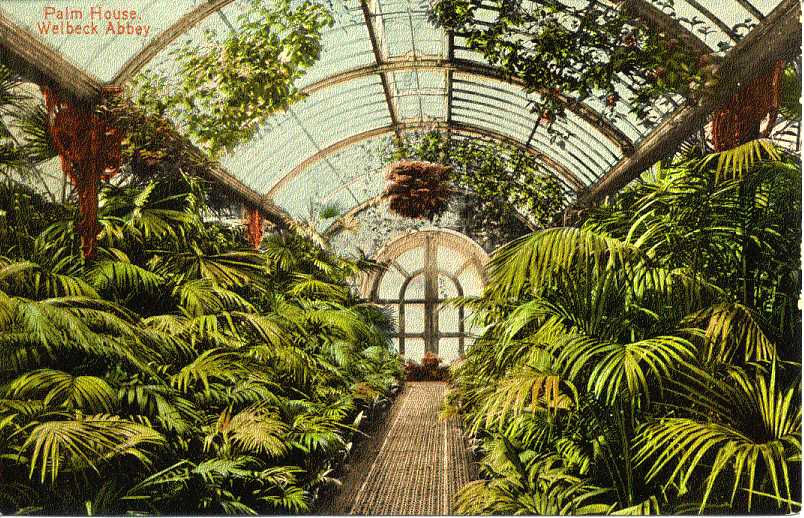
When the 5th Duke died in 1879, he left behind more than an estate—he left a legacy of intrigue, innovation, and myth. His works at Welbeck continue to fascinate historians, architects, and visitors alike, offering a rare glimpse into a highly individual vision of estate life.
Today, Welbeck Estate continues to evolve while preserving its rich heritage. The legacy of the 5th Duke is still present—not only in the tunnels beneath the ground, but in the estate’s spirit of creativity and reinvention.
The story of the 5th Duke of Portland is one of contradiction: a man of immense wealth who shunned society, a visionary builder who preferred to remain unseen. Through his unique approach to architecture and life, he transformed Welbeck into one of the most distinctive estates in Britain.
In doing so, he ensured that Welbeck would never be simply a country house—but a place of enduring curiosity, imagination, and history.
Please do not attempt to enter the historic tunnels on the Welbeck Estate.
While the tunnels are an important part of Welbeck’s heritage, they are not open to the public and are not safe for unauthorised access. For your own safety, and to help protect these historic structures, we ask all visitors to remain on designated public routes and follow any signage in place.
Cat Storey is the Welbeck Estate Marketing Manager, bringing with her a decade of marketing experience. With a strong foundation in the arts, Cat holds a Master’s degree in Fine Art from Nottingham Trent University, a background that inspires her creative marketing and strategic approach. Cat has a particular passion for crafting compelling stories around the local history of the estate, weaving narratives that engage audiences and celebrate Welbeck’s rich heritage. Her unique blend of artistic vision, storytelling, and marketing expertise enables her to tell stories that resonate with the community and beyond.