

When war broke out in the summer of 1914, owners of large properties across the UK rushed to offer their use as hospitals and convalescence homes.
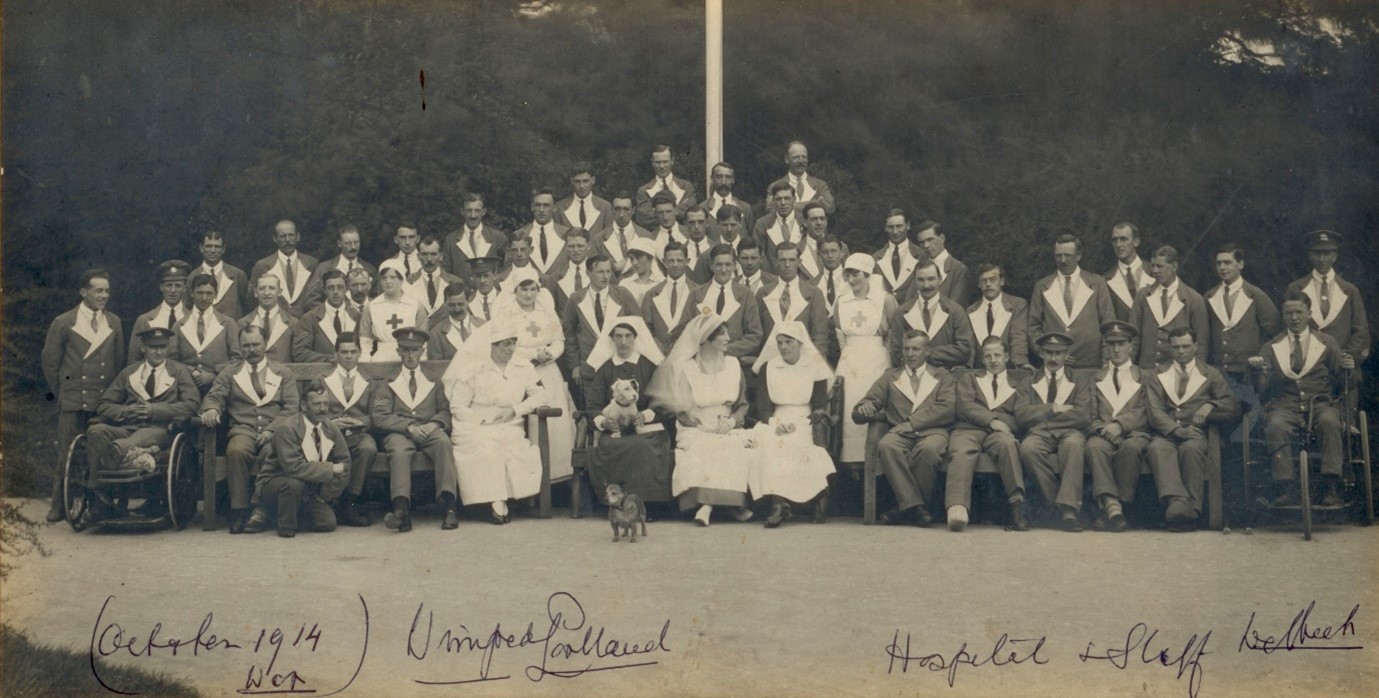
By the 11th August, the Red Cross Society was so inundated with applications that they put out a statement that “offers of hospital accommodation from private sources are already vastly in excess of any probable needs”. Sadly, the War turned out to be longer and bloodier than the Society could have anticipated, and in the event, 3,000 private buildings were converted to hospitals for convalescing soldiers. Among them was the kitchen block at Welbeck, offered in August 1914 by the Duke and Duchess of Portland.
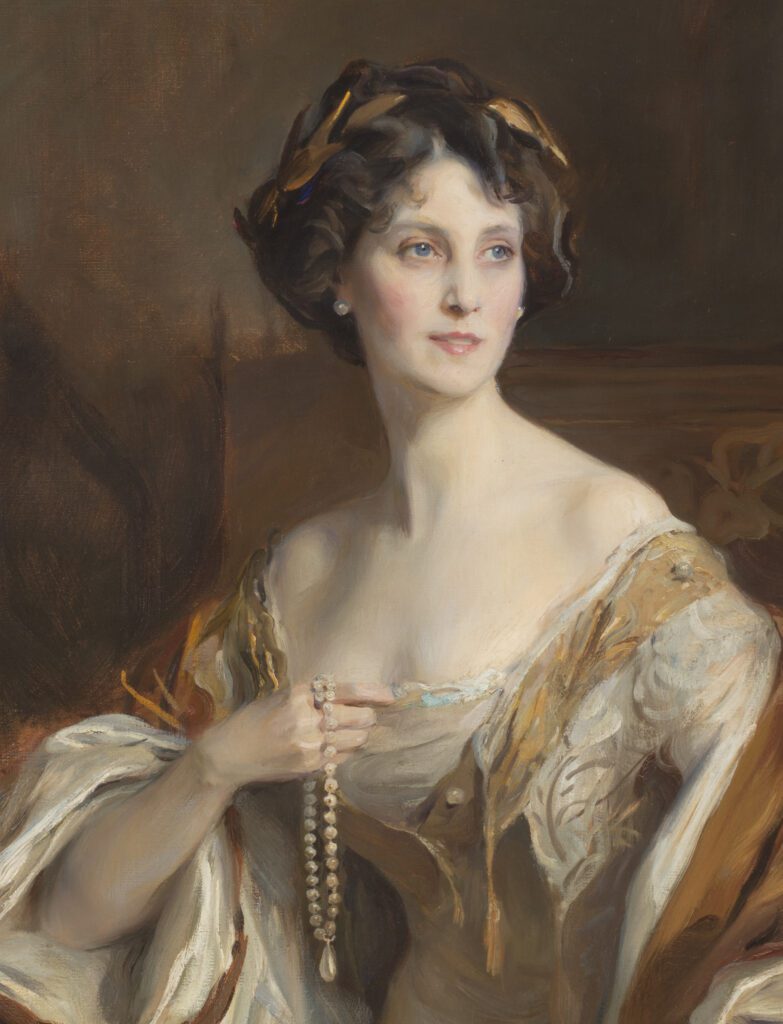
Many men preferred it to the military hospitals, as it was more relaxed and homely, and it was soon enlarged to 60 beds. Unusually for an auxiliary hospital, Welbeck gained a reputation for dealing with serious cases. This was due to the devoted attention of Duchess Winifred, who used her high social status and connections to secure the best possible treatments.

Where most other people’s kindness and help stops, because it seems impossible to go further, Winnie still goes on… When she takes ‘a case’ in hand, she does not leave a stone unturned until all humanly possible help has been given. – Elisabeth de Baillet-Latour
Among the soldiers helped by the Duchess was George Goodall, who was a Lance Corporal in the 2nd Seaforth Highlanders when he was wounded near Cambrai on the 2nd November 1918, just over a week before Armistice Day. His injury was complex and extremely painful, having been shot through the genitals. By the time he arrived at Welbeck Auxilliary Hospital, he had already undergone several operations, but none had managed to repair his urethra.
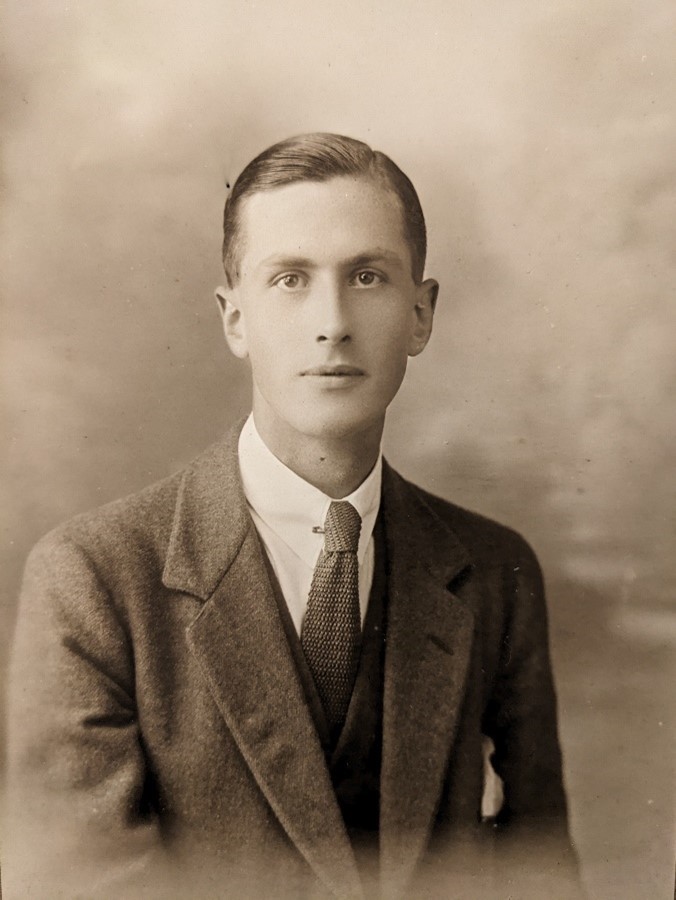
Duchess Winifred, hearing about Goodall’s case, took him under her wing. She demanded to know, “If the Prince of Wales had suffered this wound, where in the whole world, Britain, Russia, or America, should he be treated?”. She was given the name of Sir J. Thomson Walker, a Scottish surgeon and leader in the field of urology.
The next day we set off – chauffeur, The Duchess and myself for Mile End and with a powerful warrant but without warning. The Duchess sailed in to the reception office, demands to see the Matron, the Medical Officer on Duty, the Ward Sister, etc… They ultimately come and are told of their newest and most important patient and that if I needed anything it had to be provided without question or she was to be informed.
A few days later, Thomson Walker performed a miraculous surgery, in which he successfully located the two ends of the severed tract and, after several weeks of excruciating therapy, restored function to the urinary system. George was returned to Welbeck for his convalescence, where he made a full recovery, and it was with “great surprise and delight” that he became a father to two daughters a few years later.
Duchess Winifred kept up her friendship with George Goodall until her death in 1954, sending him letters and Christmas cards. In 1939, she wrote, “I have not forgotten you and your case, and what a near squeak you had from death! You are indeed an abiding remembrance with me, as I always have your photograph on my writing table.”
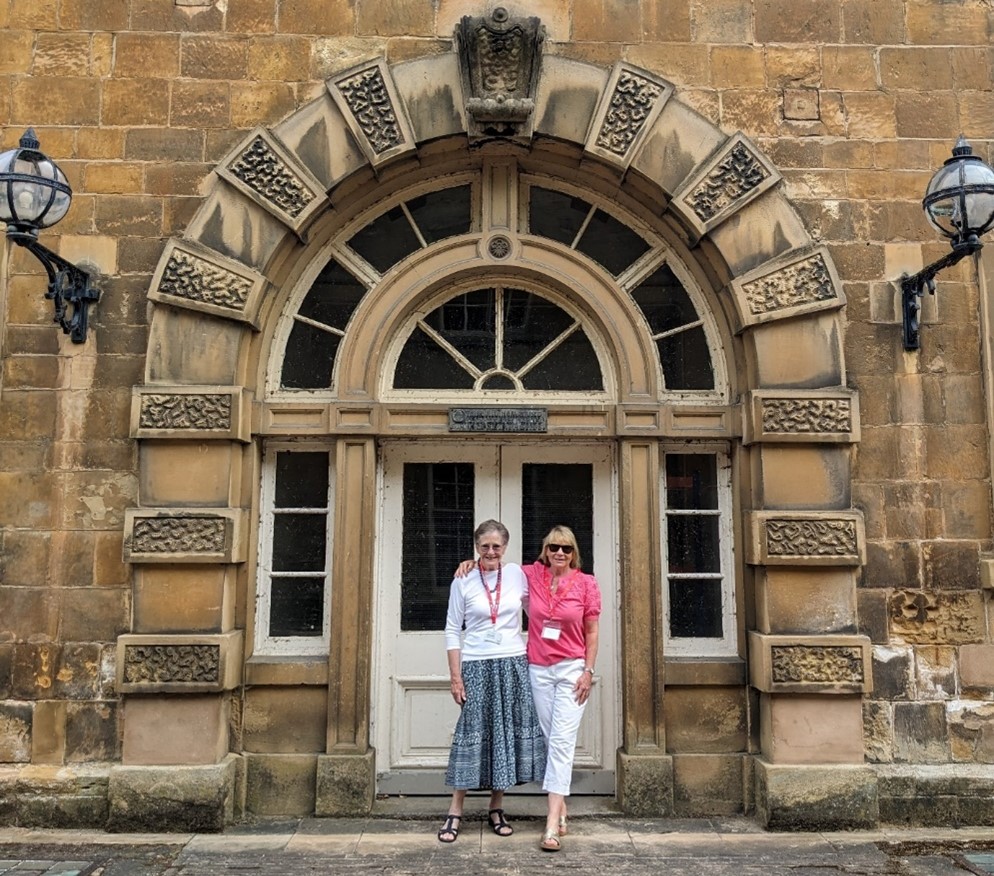
During their visit, Eleanor and Rebecca donated copies of George’s letters, photographs and memoir, to add to the ever-growing evidence of Duchess Winifred’s genuine kindness and compassion. We are grateful to George’s family for sharing their story with us.

Dr Lauren Batt
Lauren is a historian and Curator at Welbeck Abbey. Her experience includes historical research for Gucci, and projects at Chatsworth, Hardwick Hall, and Derby Museums.