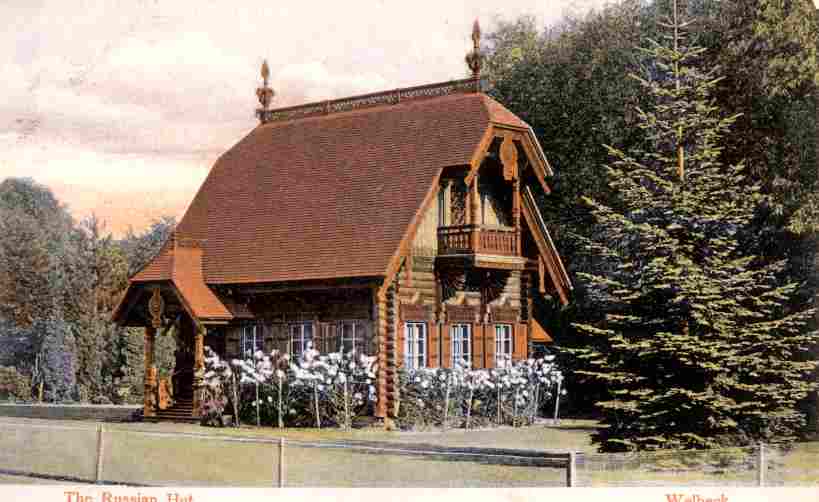
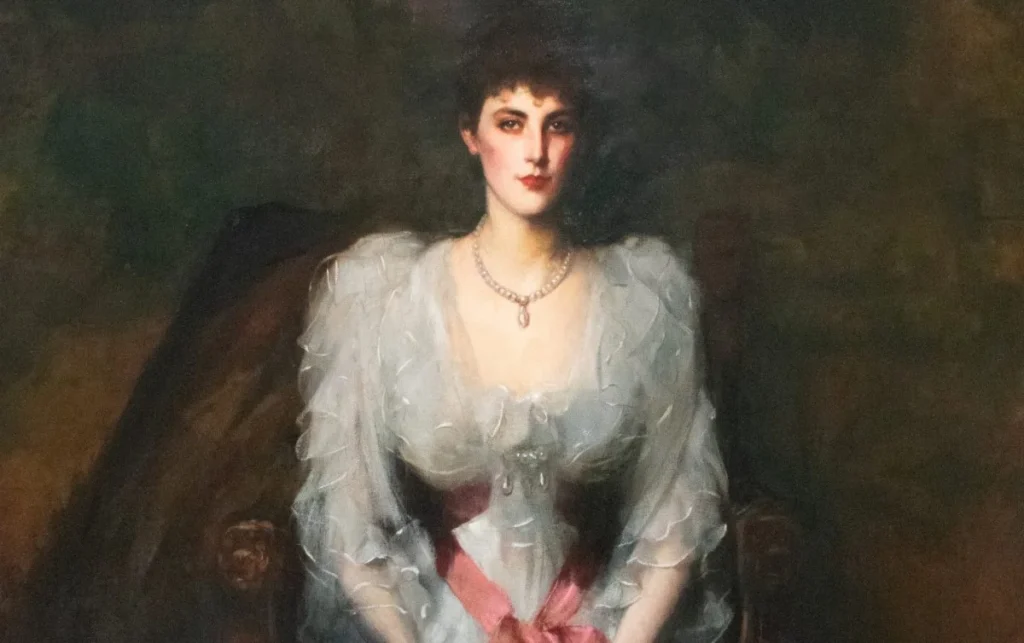
Welbeck Abbey, within the heart of the estate, was founded as a monastery in 1153. After the Dissolution, the Abbey was bought by Bess of Hardwick’s youngest son, Sir Charles Cavendish. It descended through the family and became the country seat to a succession of Dukes of Portland.
Today, Welbeck Abbey is a private family residence that opens for seasonal guided tours.
Since then, the estate has been handed down through the generations of the family, including the 3rd Duke of Portland, who was twice Prime Minister, and Sir Edward Harley, whose extensive collection was the foundation for The British Library.
Each generation has made its mark on the Estate. None more so than the 5th Duke of Portland - most famously known as the ‘burrowing duke.’ He was responsible for commissioning an extraordinary range of buildings and a network of tunnels below the Estate.
He was also the man behind the creation of the Estate’s kitchen gardens - the biggest in Britain – and the development of one of the largest riding schools in the world, second only to one in Moscow.
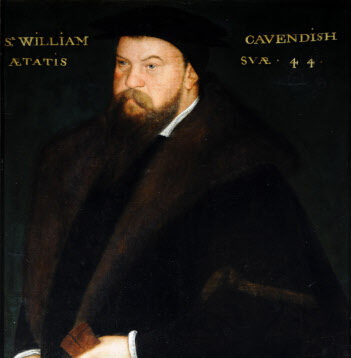
c.1505 - 1557
Sir William Cavendish was a Tudor politician, knight and courtier. He and his wife, Bess of Hardwick, are known for constructing Chatsworth House in Derbyshire. In his role as one of Thomas Cromwell’s commissioners, Cavendish profited greatly from the dissolution of the monasteries under Henry VIII. His son, Sir Charles Cavendish, reaped further benefits when he converted Welbeck, a former Premonstratensian Abbey, into his country seat.
Thomas Cavendish (1472-1524) and Alice Smith (1478-1515)
Margaret Bostock; Elizabeth Parker; Bess of Hardwick
16, including: William Cavendish, 1st Earl of Devonshire (1552-1626) and Sir Charles Cavendish (1553-1617)
c.1527 - 1608
Elizabeth Talbot, Countess of Shrewsbury, commonly known as Bess of Hardwick, was a noblewoman during the reign of Elizabeth I. She was the progenitrix of the Cavendish families at both Welbeck and Chatsworth, having cemented her family's dynasty through four auspicious marriages and the construction of several great houses in the Midlands. Bess is also known for her talents as a needleworker, a pastime she shared with Mary Queen of Scots, who was in the custody of her husband the Earl of Shrewsbury for over 15 years.
John Hardwick (c.1495-1526) and Elizabeth Leeke (c.1497-c.1556)
Robert Barley (1529-1544); Sir William Cavendish (c.1505-1557); Sir William St Loe (1518-1565); George Talbot, 6th Earl of Shrewsbury (1528-1590)
8, including: William Cavendish, 1st Earl of Devonshire (1552-1626) and Sir Charles Cavendish (1553-1617)
1553 - 1617
Sir Charles Cavendish was the youngest son of Bess of Hardwick and Sir William Cavendish. He was the first member of the Cavendish family to live at Welbeck after acquiring the Abbey in 1607. His life was marked by fiery political clashes, which led to him being shot twice ‘near the point of his buttock’ in 1599 by a party including rival courtier John Stanhope. Charles fell from favour in the reign of James I. He had some of his lands in Sherwood Forest confiscated but left a considerable estate, including Welbeck Abbey, to his widow Catherine, Baroness Ogle.
Bess of Hardwick (c.1527-1608) and Sir William Cavendish (c.1505-1557)
Margaret Kitson (c.1550-1583; Catherine, Baroness Ogle (c.1568-1609)
Charles (1583); William Cavendish, 1st Duke of Newcastle (1593-1676); Sir Charles Cavendish (1594-1654)
c.1568 - 1629
Bess of Hardwick was adept at arranging advantageous marriages, both for herself and for her children, to secure her family’s place as one of the most powerful dynasties in England. For her youngest son, Sir Charles Cavendish, Bess secured a match with Catherine Ogle, the joint heiress of an ancient baronial line in Northumberland. After a tenacious campaign to restore her late father’s title, Catherine was made a baroness in her own right in 1628. Ogle heraldry motifs, including the rose en soleil badge, are repeated in architectural features throughout Welbeck Abbey.
Cuthbert Ogle, 7th Baron of Ogle (c.1540-1597) and Catherine Carnaby, Baroness Ogle (1545-1622)
Sir Charles Cavendish (1553-1617)
William Cavendish, 1st Duke of Newcastle (1593-1676); Sir Charles Cavendish (1594-1654)
1593 - 1676
William Cavendish was the first member of the Cavendish family to put his stamp on Welbeck Abbey. He had a passion for horses and the arts, building a Riding School at Welbeck and publishing his own book on horsemanship in 1658. William played a key role for the Royalists in the English Civil War as general of the king’s forces in the north of England. After the defeat of Charles I’s army at Marston Moor in 1644, he fled to Europe, where he met his second wife, Margaret Lucas. William returned to England after the Restoration of the monarchy and was created 1st Duke of Newcastle in 1665.
Sir Charles Cavendish (1553-1617) and Catherine, Baroness Ogle (c. 1568-1629)
Elizabeth Basset (1599-1643); Margaret Lucas (1623-1673)
8, including: Lady Jane Cavendish (1620/21-1669); Charles Cavendish, Viscount Mansfield (c.1626-1659); Elizabeth Egerton, Countess of Bridgewater (1626-1663); Henry, 2nd Duke of Newcastle (1630-1691); Frances Cavendish, Countess of Bolingbroke (d. 1678)
1599 - 1643
Elizabeth Basset was the wealthy daughter and heiress of William Basset of Blore, who died when she was two years old. Her childhood was unsettled, marked by custody battles between her mother and wealthy nobles who bought and sold her wardship, including Sir Walter Raleigh. In 1614, Elizabeth married Henry Howard, son of the Earl of Suffolk. He died “suddenly at table” two years later, while she was pregnant with their daughter. Elizabeth’s second husband was William Cavendish, later 1st Duke of Newcastle, with whom she had eight children. Their houses, including Welbeck Abbey, hosted many famous artists, writers and musicians. Elizabeth spent her final months managing the family’s estates while William commanded the northern Royalist forces in the English Civil War.
Sir William Basset of Blore (1551-1601) and Judith Austin (1566-1640)
Henry Howard (1592-1616); William Cavendish, 1st Duke of Newcastle (1593-1676)
11, including: Lady Jane Cavendish (1620/21-1669); Charles Cavendish, Viscount Mansfield (c.1626-1659); Elizabeth Egerton, Countess of Bridgewater (1626-1663); Henry, 2nd Duke of Newcastle (1630-1691); Frances Cavendish, Countess of Bolingbroke (d. 1678)
1619 - 1679
Gervase Pierrepont was a great-grandson of Bess of Hardwick and Sir William Cavendish. He and members of his family were Roman Catholics during a period of intense religious persecution. Gervase and his sister Elizabeth lived at Holbeck Hall, now part of the Welbeck Estate, where they maintained a Jesuit college and sheltered priests, including William Aylworth, who wrote an account of his daring escapes. Gervase eventually fled to Holland in 1679 and died in Haarlem the same year. Despite several raids on the Hall by soldiers of Charles II, Catholic worship continued under the radar at Holbeck Hall and later at Holbeck Farm Barns until the mid-19th century.
Robert Pierrepont, 1st Earl of Kingston-upon-Hull (1584-1643) and Gertrude Talbot (1580-1649)
1620/21 - 1669
Lady Jane Cheyne (née Cavendish) was the eldest of three sisters responsible for ensuring the protection of Welbeck Abbey and many of its contents during and after the English Civil War. Having grown up surrounded by their parents’ circle of literary acquaintances, Jane and her sisters were talented playwrights and poets. Following the death of their mother, Elizabeth Basset, and the exile of their Royalist father, William Cavendish, Jane became the effective head of the family in 1643. Many treasures still in the Portland Collection today owe their survival to Jane’s tenacity and negotiation skills.
William Cavendish, 1st Duke of Newcastle (1593 – 1676) and Elizabeth Basset, Countess of Newcastle (1599 – 1643)
Charles Cheyne (1625-1698)
3, including William Cheyne, 2nd Viscount Newhaven (1657-1728)
1623 - 1673
Margaret Cavendish (née Lucas) was a prolific writer, scientist, philosopher, and author of one of the earliest works of science fiction, The Blazing World. Although she was the first woman to be granted access to the Royal Society meeting in 1667, her achievements went largely unrecognised in her own time due to her contemporaries’ preoccupation with her dress sense and gender-nonconforming behaviour. Upon marriage to her husband, William Cavendish, who was 30 years her senior, Margaret gained access to a circle of notable artists and thinkers who congregated at Welbeck Abbey and Bolsover Castle.
Sir Thomas Lucas (1573-1625) and Elizabeth Leighton (1580-1647)
William Cavendish, 1st Duke of Newcastle (1593-1676)
c. 1626 - 1659
Charles was the eldest son and heir of William Cavendish, 1st Duke of Newcastle, a Royalist commander in the English Civil War. Before the battle of Marston Moor in 1644, William wrote that he would not send Charles and his brother Henry to safety, but that they ‘should show their loyalty and duty to his Majesty in venturing their lives as well as himself’. Charles was MP for East Retford, but lost his seat after the battle and went into exile on the continent with his father. He died young and childless, leaving Henry as the new heir to Welbeck Abbey.
William Cavendish, 1st Duke of Newcastle (1593 – 1676) and Elizabeth Basset, Countess of Newcastle (1599 – 1643)
Elizabeth Rogers (1630-1661)
Lady Elizabeth Egerton (née Cavendish), Countess of Bridgewater, was the second daughter of William Cavendish and Elizabeth Bassett. She and her sisters kept a small garrison at Welbeck Abbey during the English Civil War. In 1645, she moved to her husband’s family seat, Ashridge, where she died suddenly, aged 37, while giving birth to their tenth child. Like her father, mother, stepmother and sisters, Elizabeth was a talented writer, publishing an anthology of poems and dramas co-authored with her sister Jane. Elizabeth was devout and wrote several meditations on the Bible in addition to her thoughts on marriage, motherhood and domestic matters.
William Cavendish, 1st Duke of Newcastle (1593 – 1676) and Elizabeth Basset, Countess of Newcastle (1599 – 1643)
John Egerton, later 2nd Earl of Bridgewater (1623-1686)
10, including: John Egerton, 3rd Earl of Bridgewater (1646-1701); Charles Egerton MP (1654-1717); Elizabeth Egerton, Countess of Leicester (1653-1709)
d. 1678
Frances St John (née Cavendish) was the youngest of three sisters described by historian Lucy Worsley as ‘truly extraordinary seventeenth century women’. After the death of their mother, Elizabeth Basset, and the exile of their Royalist father William Cavendish, the sisters joined together to protect their childhood home, Welbeck Abbey, during the English Civil War. All talented writers, they kept each other’s spirits up by writing poetry and plays. In 1654, Frances married Oliver St John, 2nd Earl of Bolingbroke, whose family had supported Parliament during the war. She outlived both her sisters.
William Cavendish, 1st Duke of Newcastle (1593 – 1676) and Elizabeth Basset, Countess of Newcastle (1599 – 1643)
Oliver St. John, 2nd Earl of Bolingbroke (1634-1688)
Henry Cavendish was the only surviving son of William Cavendish, 1st Duke of Newcastle. A Royalist during the English Civil War, Henry remained intensely loyal to the Crown after the Restoration, refusing the oaths of allegiance to William III and Mary II and consequently losing his offices. Henry’s personal life was as troubled as his career. He separated from his wife amid disputes over their daughters’ marriages and dowries, which had driven him into debt. He died at Welbeck Abbey in 1691. With no surviving male heir, he left his estate to his favourite daughter, Margaret, on the condition that it must pass undivided and the Cavendish name be retained.
William Cavendish, 1st Duke of Newcastle (1593 – 1676) and Elizabeth Basset, Countess of Newcastle (1599 – 1643)
Frances Pierrepont (1630-1695)
6, including: Elizabeth Monck, Duchess of Albemarle (1654-1734); Lady Frances Cavendish (1660-1690); Margaret Holles, Duchess of Newcastle-upon-Tyne (1661-1715/16); Henry Cavendish, Earl of Ogle (1659-1680)
Hans Willem Bentinck, born in the Netherlands, was a close friend and ally of William III. He played a key role in securing the marriage between William, when Prince of Orange, and Princess Mary, and later assisted with the overthrow of James II. For his loyalty, Bentinck was rewarded with the Earldom of Portland, second creation, and given several important offices in England, from which he resigned in 1699. His primary residence was Bulstrode Park in Buckinghamshire. Bentinck did not have a connection to Welbeck in his lifetime, but his influence can be seen in the Portland Collection, in possessions brought to the Abbey by his descendants.
Bernard, Baron Bentinck (1597-1668) and Anna van Bloemendaal (1622-1685)
Anne Villiers (c.1651-1688); Jane Martha Temple (1672-1751)
Elizabeth Monck, née Cavendish, was the eldest daughter of Henry Cavendish, 2nd Duke of Newcastle. She was married first to Christopher Monck, Duke of Albemarle, whose death in 1688 left her a very wealthy widow. Elizabeth had an unidentified mental illness which made her vulnerable to exploitation from fortune seekers. She spent some of her widowhood at Welbeck Abbey in the care of her personal physician. In 1692, she was tricked into marriage by the ambitious Ralph Montagu, later 1st Duke of Montagu, who had persuaded her that he was the Emperor of China. The marriage inspired a number of cruel satires, including a play called The Double Gallant; or, Sick Lady’s Cure.
Henry Cavendish, 2nd Duke of Newcastle (1630-1691) and Frances Pierrepont (1630-1695)
Christopher Monck, 2nd Duke of Albemarle (1653-1688); Ralph, 1st Duke of Montagu (1638-1709)
1661 – 1715/16
Margaret Holles, née Cavendish, was the third and favourite daughter of Henry Cavendish, 2nd Duke of Newcastle. In 1691, when her father died with no male heir, she inherited Welbeck Abbey and the family’s other estates despite objections from her sisters. The extinct dukedom was recreated for her husband, the Earl of Clare, in 1694, but it was lost again when they did not produce a male heir. The estate passed to their daughter, Henrietta.
Henry Cavendish, 2nd Duke of Newcastle (1630-1691) and Frances Pierrepont (1630-1695)
John Holles, 1st Duke of Newcastle (1661-1716)
1661 – 1724
Robert Harley was a politician and patron of the arts who promoted writers including Alexander Pope and Jonathan Swift. During a tumultuous political career, he acted as Speaker of the House of Commons between 1701 and 1705, and as Chancellor of the Exchequer between 1710 and 1711. By this time his popularity had plummeted, but it recovered temporarily after he survived being stabbed with a penknife in the House of Commons by the Marquis de Guiscard, who was under examination for treason. The broken penknife is in the Portland Collection. Harley went on to become Lord High Treasurer, before being impeached and imprisoned under George I.
Sir Edward Harley (1624-1700) and Abigail Stephens (1628-1688)
Elizabeth Foley (c.1663-1691); Sarah Middleton (c.1672-1737)
4, including Edward Harley, 2nd Earl of Oxford and Earl Mortimer (1689-1741)
1662 – 1711
John Holles, son of the 3rd Earl of Clare and Grace Pierrepont, was a prominent politician and supporter of William III and Queen Mary. He was created 1st Duke of Newcastle-upon-Tyne, second creation, in 1694, after the first creation had become extinct on the death of his father-in-law, Henry Cavendish, who died without a male heir. Holles died in 1711 from injuries sustained after falling from his horse while hunting at Welbeck. He was buried in Westminster Abbey and has a large monument in the north transept, designed by James Gibbs and carved by Frances Bird with help from John Michael Rysbrack. The dukedom of Newcastle became extinct for a second time upon his death.
Gilbert Holles, 3rd Earl of Clare (1633-1689) and Grace Pierrepont (c.1640-1702)
Lady Margaret Cavendish (1661-1715/16)
1682 – 1726
Henry Bentinck was the eldest surviving son of Hans Willem Bentinck, 1st Earl of Portland. He continued in his father’s footsteps with a successful political and military career, becoming Whig MP for Southampton in 1705 and Colonel of the 1st Troop of Horse Guards in 1710. He was created 1st Duke of Portland and Marquess of Titchfield by George I in 1716, by which time he had extensive estates worth around £850,000. Much of his fortune was lost in the South Sea Bubble in 1720. He died in Spanish Town, Jamaica, while in post as Governor.
Hans Willem Bentinck, 1st Earl of Portland (1649-1709) and Anne Villiers (c.1651-1688)
Lady Elizabeth Noel (1685-1737)
7, including William Bentinck, 2nd Duke of Portland (1709-1762)
1689 – 1741
Edward Harley was a politician and bibliophile. He sat in the House of Commons as an MP, but had less interest in politics than his father, Robert Harley. Edward preferred to spend his time and money on expanding his library, which consisted of over 40,000 printed books and 350,000 pamphlets. His prolific collecting was enabled by his marriage to the wealthy heiress Lady Henrietta Cavendish Holles, through whom he acquired Welbeck Abbey and Wimpole Hall in Cambridgeshire. Edward and Henrietta also owned much of the West End of London, including Harley Street and Oxford Street, which are named after them. Wimpole Hall and much of Edward’s book collection were sold to pay his debts, but some volumes survive in the library at Welbeck Abbey.
Robert Harley, 1st Earl of Oxford and Earl Mortimer (1661-1724) and Elizabeth Foley (c.1663-1691)
Henrietta Harley, Countess of Oxford and Countess Mortimer (1694-1755)
Margaret, Duchess of Portland (1715-1785); Henry Cavendish Harley, Lord Harley (1725)
Henrietta Cavendish Holles was the only child and heiress of John Holles, 1st Duke of Newcastle and his wife Margaret. After the sale of her Cambridgeshire home, Wimpole Hall, in 1740, and the death of her husband the following year, Henrietta dedicated her widowhood to remodelling Welbeck Abbey and cataloguing portraits of her ancestors. Portraits of Henrietta herself almost invariably show her in her riding habit, reflecting her lifelong love of horses. The Abbey was ‘almost in Ruines’ when she began her improvements, but by her death in 1755 it had one of the finest Gothic Revival interiors in England, including the striking Gothic Hall.
John Holles, 1st Duke of Newcastle (1662-1711) and Lady Margaret Cavendish, Duchess of Newcastle (1661-1715/16)
Edward Harley, 2nd Earl of Oxford and Earl Mortimer (1689-1741)
Margaret, Duchess of Portland (1715-1785); Henry Cavendish Harley, Lord Harley (1725)
William Bentinck brought the Bentinck and Portland names to Welbeck, following his marriage to Lady Margaret Harley in 1734. He had succeeded to the dukedom at the young age of 17. Unlike his father and grandfather, he did not have political ambitions and preferred the private life of his family to the public spotlight. He enjoyed a happy marriage to Margaret, who called him her ‘Sweet Will’, and they had six children together. William was one of the tricksters behind the Great Bottle Hoax of 1749, when a crowd was fooled into buying tickets to witness a man climb into a wine bottle.
Henry Bentinck, 1st Duke of Portland (1682 – 1726) and Lady Elizabeth Noel (1685-1737)
Lady Margaret Harley (1715-1785)
6, including: Elizabeth Thynne, Marchioness of Bath (1735-1825); Henrietta Grey, Countess of Stamford (1737-1827); William Cavendish-Bentinck, 3rd Duke of Portland (1738-1809); Lord Edward Bentinck (1744-1819)
1715 – 1785
Following her marriage in 1734, Margaret became the first Duchess of Portland at Welbeck, although it was not her main residence. A member of the intellectual Blue Stockings, and the richest woman in England, she dedicated her life to establishing the Portland Museum at Bulstrode Park, her husband’s home in Buckinghamshire. Her extensive collection included natural history specimens, a live menagerie, and rare antiquities such as the Portland Vase, now in the British Museum. It was Margaret’s aim to collect and describe one of every living creature. Her collection was sold following her death, bar a handful of objects now at Welbeck which are small enough to fit in a shoebox.
Henrietta Harley, Countess of Oxford and Countess Mortimer (1694-1755) and Edward Harley, 2nd Earl of Oxford and Earl Mortimer (1689-1741)
William Bentinck, 2nd Duke of Portland (1709-1762)
6, including: Elizabeth Thynne, Marchioness of Bath (1735-1825); Henrietta Grey, Countess of Stamford (1737-1827); William Cavendish-Bentinck, 3rd Duke of Portland (1738-1809); Lord Edward Bentinck (1744-1819)
1738 – 1809
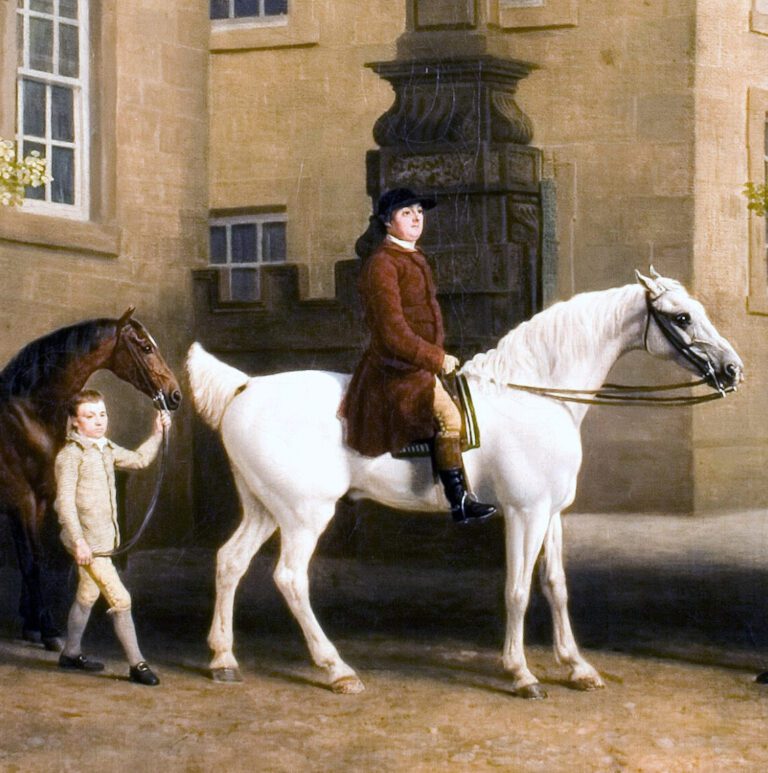
The 3rd Duke of Portland was a prominent Georgian politician whose affiliations shifted between the Whig and Tory parties over the course of his career. He served as prime minister twice, in 1783 and again in 1807-1809, a gap of 26 years, which is the longest of any holder of this office. The Duke led a lavish lifestyle. His additions to the Portland Collection include paintings by George Stubbs, one of which shows him seated on a horse outside the Riding School at Welbeck Abbey. Debts amounting to £52,000 were revealed on his death in 1809, which his heir paid off by selling property, including Bulstrode Park.
Margaret Cavendish Bentinck, Duchess of Portland (1715-1785) and William Bentinck, 2nd Duke of Portland (1709-1762)
Lady Dorothy Cavendish (1750-1794)
6, including: William Henry Cavendish-Scott-Bentinck, 4th Duke of Portland (1768-1854); Lord William Henry Cavendish-Bentinck (1774-1839); Lord Charles Bentinck (1780-1826)
1750 – 1794
Dorothy Bentinck, née Cavendish, was the wife of William Cavendish Bentinck, 3rd Duke of Portland. As the daughter of the 4th Duke of Devonshire, Dorothy had grown up at Chatsworth House in Derbyshire, not far from the Welbeck Estate. She was one of only five people to witness the wedding of her brother, the 5th Duke of Devonshire, to the famed socialite Georgiana, Duchess of Devonshire, of whom there is a portrait in the Portland Collection. Dorothy and the 3rd Duke of Portland are the great-great-great-great-grandparents of King Charles III through their son, Lord Charles Bentinck.
William Cavendish, 4th Duke of Devonshire (1720-1764) and Charlotte Elizabeth Cavendish, Marchioness of Hartington, 6th Baroness Clifford (1731-1754)
William Cavendish Bentinck, 3rd Duke of Portland (1738-1809)
6, including: William Henry Cavendish-Scott-Bentinck, 4th Duke of Portland (1768-1854); Lord William Henry Cavendish-Bentinck (1774-1839); Lord Charles Bentinck (1780-1826)
1768 – 1854
The 4th Duke of Portland was known nationally for his political offices, including Lord President of the Council and MP for Petersfield and Buckinghamshire. At Welbeck, he was known as a diligent and progressive landlord, particularly in relation to agricultural improvements. In 1852, shortly before his death at the age of 85, he was presented with a portrait painted by Francis Grant, commissioned by 800 of his tenants as a show of gratitude to “a landlord who is universally beloved and respected among us”. The Duke, nicknamed “old leather britches”, is depicted in his customary casual riding gear.
Dorothy Bentinck, Duchess of Portland (1750-1794) and William Cavendish Bentinck, 3rd Duke of Portland (1738-1809)
Henrietta Scott (1774-1844)
9, including: William Henry, Marquess of Titchfield (1796-1824); Lady Margaret Harriet Cavendish-Scott-Bentinck (1798-1882); Lady Caroline Cavendish-Scott-Bentinck (1799-1828); William John Cavendish-Scott-Bentinck, 5th Duke of Portland (1800-1879); Lord George Frederick Cavendish-Scott-Bentinck (1802-1848); Lord Henry William Cavendish-Scott-Bentinck (1804-1870)
1774 – 1844
Henrietta was one of three sisters nicknamed the “pretty”, “witty” and “rich” Misses Scott. As the eldest sister, and the heiress of their wealthy father, Major General John Scott, Henrietta was the “rich Miss Scott”. In 1795 she married the 4th Duke of Portland, then Marquess of Titchfield, who applied for a Royal Licence to take her name in addition to his own. As lady of Welbeck Abbey, Henrietta was considerably involved in the running of the household and the estate. Twenty-four memorandum books, kept in the Portland Collection archive, contain her fastidious notes on subjects ranging from quantities of bread consumed by the servants to prices of timber sold from the estate.
Major General John Scott of Balcomie and Scotstarvit (1725-1775) and Margaret Dundas (1743-1797)
William Henry Cavendish-Scott-Bentinck, 4th Duke of Portland (1768-1854)
9, including: William Henry, Marquess of Titchfield (1796-1824); Lady Margaret Harriet Cavendish-Scott-Bentinck (1798-1882); Lady Caroline Cavendish-Scott-Bentinck (1799-1828); William John Cavendish-Scott-Bentinck, 5th Duke of Portland (1800-1879); Lord George Frederick Cavendish-Scott-Bentinck (1802-1848); Lord Henry William Cavendish-Scott-Bentinck (1804-1870)
1774-1839
Lord William Bentinck was the second son of the 3rd Duke of Portland, who served twice as prime minister. Following in his father’s footsteps, Lord William launched his own political career, becoming MP for Camelford in 1796 at the age of 22. As well as his longstanding presence in the House of Commons, Lord William is best known for being the first Governor-General of India. During his seven years in India, he focused on social and educational reform, notably working alongside Ram Mohan Roy to abolish the practice of Sati. The Portland Collection holds some of Lord William’s possessions from his time as Governor-General, including scrolls written to him by dignitaries.
Dorothy Bentinck, Duchess of Portland (1750-1794) and William Cavendish Bentinck, 3rd Duke of Portland (1738-1809)
Lady Mary Acheson (c.1785-1843)
1780-1826
Lord Charles Cavendish-Bentinck, youngest son of the 3rd Duke of Portland, was a soldier and politician, and is the great-great-great-grandfather of King Charles III. He was notorious during his lifetime for eloping with his mistress Anne, Lady Abdy, while she was married to his friend Sir William Abdy, 7th Baronet. Sir William brought a criminal conversation suit against Lord Charles, and won £7,000 in damages, although this was never paid. A divorce was granted in June 1816. This allowed Lord Charles and Lady Anne to marry each other in time for their first child to be born legitimate a few weeks later. Their grandson became the 6th Duke of Portland in 1879.
Dorothy Bentinck, Duchess of Portland (1750-1794) and William Cavendish Bentinck, 3rd Duke of Portland (1738-1809)
Georgiana Augusta Frederica Seymour (1782-1813); Anne Wellesley, later Lady Abdy (1788-1875)
4, including: The Reverend Charles William Frederick Cavendish-Bentinck (1817-1865); Lt.-Gen. Arthur Cavendish-Bentinck (1819-1877)
c.1785-1843
Lady Mary Bentinck, née Acheson, accompanied her husband, Lord William Bentinck, when he moved to India to serve as Governor of Madras and Fort William (Bengal), and Governor-General of India. They both struggled to adjust to the climate and most letters home complained of illnesses. Nevertheless, Lady Mary appears to have enjoyed the luxuries afforded to her by her husband’s powerful position. In an 1807 portrait by Sir Thomas Lawrence in the Portland Collection, she is shown wearing ruby earrings, probably acquired during her husband’s time as Governor of Madras. Unusually for the period, her hair is cropped short as a measure against the heat and humidity. Lady Mary also took the opportunity to bestow gifts on her friends in England, even sending a Bengal tiger to the 6th Duke of Devonshire at Chatsworth.
Arthur Acheson, 1st Earl of Gosford (c.1744-1807) and Millicent Acheson, Countess of Gosford (1750-1825)
Lord William Henry Cavendish-Bentinck (1774-1839)
1796 – 1824
The 4th Duke of Portland had three sons. All were named William, so were known by their second names. Henry, the eldest, was educated at Oxford and had launched a promising political career in preparation for inheriting his father’s title. However, he died unexpectedly at the age of 27, leaving his younger brother, Lord John, as the new heir to Welbeck. The newspapers reported, ‘The death of the Noble Marquis was occasioned by his having ventured out on horseback too soon after he had recovered from the effects of a typhus fever’. Duchess Henrietta, his mother, was inconsolable at the news and kept from attending the funeral for the sake of her health.
William Henry Cavendish-Scott-Bentinck, 4th Duke of Portland (1768-1854) and Henrietta Bentinck, Duchess of Portland (1774-1844)
1800 – 1879
The life of the 5th Duke of Portland is shrouded in myth and legend. Suffering from an unidentified chronic illness which affected him from a young age, he lived a solitary lifestyle, especially after succeeding his father as Duke. He participated very little in politics. Instead, he preferred to focus on improving the Welbeck Estate, where he made use of the latest technology to create impressive structures above and below ground. These included the largest kitchen garden in the country and the second-largest riding school in Europe. However, it was the tunnels and underground rooms which fuelled his reputation as an eccentric recluse. Despite the rumours and stories surrounding him, those who knew him remembered him as a kind and generous employer.
William Henry Cavendish-Scott-Bentinck, 4th Duke of Portland (1768-1854) and Henrietta Bentinck, Duchess of Portland (1774-1844)
1802 – 1848
A Conservative politician and racehorse owner, Lord George Bentinck was MP for King’s Lynn from 1828 until his death. Before his political career took off, Lord George was best known for his influence in the horse racing world. He owned several successful racehorses, helped to invent the horsebox, and his stables at Goodwood were known to put out champion lines. As well as a fan of the sport and the associated gambling, Lord George made waves reforming legislation to clamp down on cheating and corruption at the bookmakers. In 1844 he exposed the winner of the Derby as a fraud and was spurred on to petition improvements in the legality issues in the sport. He died suddenly in 1848, aged 46, while walking from Welbeck Abbey to Thoresby Hall.
William Henry Cavendish-Scott-Bentinck, 4th Duke of Portland (1768-1854) and Henrietta Bentinck, Duchess of Portland (1774-1844)
Lieutenant-General Arthur Cavendish-Bentinck was the grandson of the 3rd Duke of Portland, and therefore in line to inherit the Welbeck Estate. Arthur took command of the 7th Dragoons from 1854, having purchased his commission. Three years later he took the regiment to India, but during the voyage there his wife, Elizabeth Hawkins-Whitshed, gave birth to a son, and tragically died a few days later. He returned to England with his young son, William, in 1858. Arthur died in 1877, predeceasing the 5th Duke of Portland by two years. When his son inherited the dukedom, he successfully petitioned for Arthur’s widow, Augusta, to be created a Baroness.
Lord Charles Cavendish-Bentinck (1780-1826) and Lady Charles Cavendish-Bentinck (1788-1875)
Elizabeth Hawkins-Whitshed (1835-1858); Augusta Mary Elizabeth Browne (1834-1893)
William John Arthur Charles James Cavendish-Bentinck, 6th Duke of Portland (1857-1943); Lord Henry Cavendish-Bentinck (1863-1931); Lord William Augustus Cavendish-Bentinck (1865-1903); Lord Charles Cavendish-Bentinck (1868-1956); Lady Ottoline Morrell (1873-1938)
1834 – 1893
Augusta Mary Elizabeth Cavendish Bentinck was the mother of Ottoline Morrell and the stepmother of the 6th Duke of Portland. She and her husband, Lieutenant-General Arthur Cavendish Bentinck, had been in line to inherit Welbeck as Duke and Duchess of Portland. However, after her husband’s death at the age of 58, she was left with no title, despite being the effective chatelaine of Welbeck Abbey, which she was restoring and refurbishing on her young stepson’s behalf. One of the 6th Duke’s first priorities on inheriting the title from his distant cousin was to petition the Prime Minister, Benjamin Disraeli, to give his stepmother a title. He was successful, and Augusta became history's first and only Baroness of Bolsover.
Henry Montague Browne, Dean of Lismore (1799-1884) and Catherine Penelope de Montmorency (1808-1858)
Lieutenant-General Arthur Cavendish Bentinck (1819-1877)
Lord Henry Cavendish-Bentinck (1863-1931); Lord William Augustus Cavendish-Bentinck (1865-1903); Lord Charles Cavendish-Bentinck (1868-1956); Lady Ottoline Morrell (1873-1938)
1857 – 1943
William Cavendish-Bentinck was serving as a lieutenant in the Coldstream Guards when he heard the news that he had inherited the dukedom of Portland from his cousin. The new 6th Duke of Portland could not have been more different to his reclusive predecessor. While initially daunted by the scale and incomplete state of the Welbeck Estate, the young Duke, and his wife Winifred, soon embraced its potential as a venue for entertaining on a grand scale. Life at Welbeck between 1879 and 1943 was characterised by royal visits, parties, fairs, pageants and Conservative rallies, punctuated by turbulent events, including the Oxford Wing fire and two World Wars.
Lieutenant-General Arthur Cavendish-Bentinck (1819-1877) and Elizabeth Hawkins-Whitshed (1835-1858)
Winifred Anna Dallas-Yorke (1863-1953)
Lady Victoria Erskine-Wemyss (1890-1994); William Cavendish-Bentinck, 7th Duke of Portland (1893-1977); Lord Francis Cavendish-Bentinck (1900-1950)
1863 – 1953
Duchess Winifred was a remarkable woman dedicated to reducing the suffering of animals. She was a member of the Vegetarian society, first president and founding member of the RSPB and vice president of the RSPCA. On the Welbeck Estate, she kept stables for old horses and stray dogs, which would otherwise have been destroyed. In 1859, she persuaded her husband, the 6th Duke of Portland, to spend vast sums from his horseracing winnings on building Alms houses on the Welbeck Estate, known as “The Winnings”. Winifred’s charity and generosity of spirit won her the hearts of those living and working at Welbeck and beyond. In honour of her ongoing support to their cause, the Nottinghamshire Miners’ Welfare Association petitioned in 1935 for her to be made a Dame Commander of the Order of the British Empire (DBE).
Thomas Yorke Dallas-Yorke (1826-1924) and Frances Perry Graham (1843-1912)
William John Arthur Charles James Cavendish-Bentinck, 6th Duke of Portland (1857-1943)
Lady Victoria Erskine-Wemyss (1890-1994); William Cavendish-Bentinck, 7th Duke of Portland (1893-1977); Lord Francis Cavendish-Bentinck (1900-1950)
1864 – 1945
Blanche Maynard was the second daughter of Charles Henry Maynard, who tragically died from a stroke when she was just 10 months old. Her grandfather, the Viscount Maynard, took the young family in to care for them in his home. When he too died just four months later, it was found that he had left the majority share of his estate to Daisy, Blanche’s older sister and the inspiration for the music hall song ‘Daisy, Daisy’. During the First World War, Blanche was invested as a Dame Commander of the British Empire for her work setting up early hospitals in France to care for the wounded. Her war diary is kept in the archive at Welbeck.
Colonel Charles Maynard (1814-1865) and Blanche FitzRoy (1839-1933)
Colonel Lord Algernon Gordon Lennox (1847-1921)
Ivy, Duchess of Portland (1887-1982)
1873 – 1938
Lady Ottoline Violet Anne Cavendish Bentinck was the daughter of Lieutenant-General Arthur Cavendish Bentinck and his second wife Augusta, later created Baroness Bolsover. Ottoline was the 6th Duke of Portland’s half-sister, and accompanied him to his newly-inherited estate in 1879. Her account of their arrival at Welbeck Abbey is quoted in the Duke’s memoirs: ‘at last we arrived at the house. The front drive was a grass-grown morass covered with builders’ rubbish, and to enable the carriage to reach the front door they had put down temporary planks… Why the house had been allowed to get into this state I do not really know, except that the late Duke was so absorbed with his vast work of building and digging out the underground rooms and tunnels that he was oblivious of everything else…’
Augusta Mary Elizabeth Cavendish Bentinck (1834-1893) and Lieutenant-General Arthur Cavendish-Bentinck (1819–1877)
Philip Morrell (1870-1943)
Hugh Morrell (1906); Julian Vinogradoff (1906-1983)
1887 – 1982
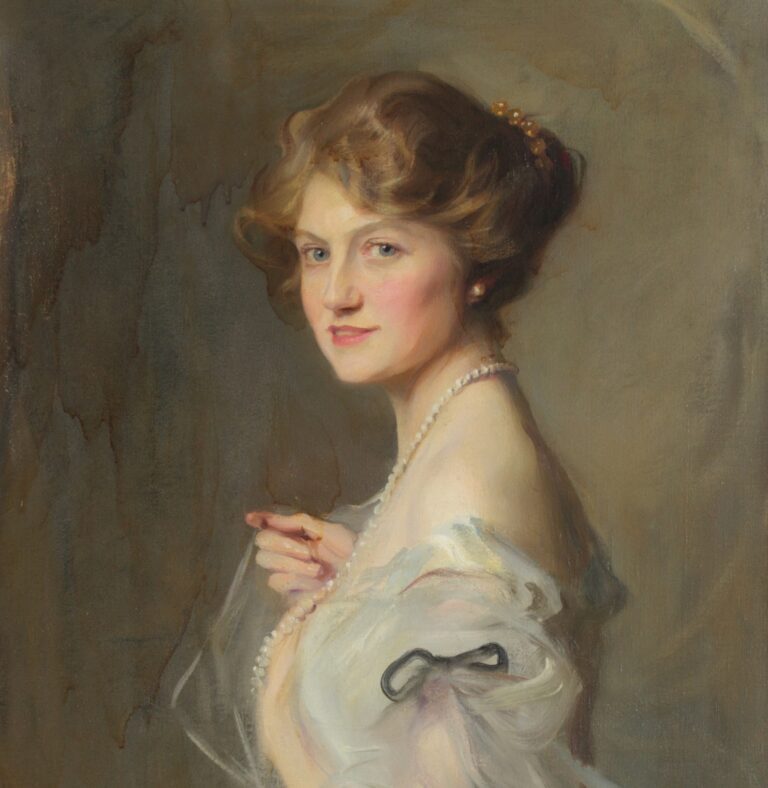
Ivy was a close personal friend to the royal family and Maid of Honour to Queen Alexandra. At the beginning of the First World War, Ivy supported her mother, Blanche, by working in the hospital she set up in France. There, Ivy met the Marquess of Titchfield, who was suffering from shell shock after fighting in Mons and Ypres. The couple married at Welbeck Abbey in 1915 with the Queen and Princess Victoria in attendance. Their first daughter, Lady Anne, was born a year later with her sister, Lady Margaret, joining the family in 1918. Ivy was awarded the DBE in 1958 in recognition of her charitable work and was held in the greatest affection by the local community, being known as ‘Our Duchess’. One of her last generous acts was to set up the Harley Foundation in 1977.
Blanche Maynard, Lady Algernon Gordon-Lennox (1864–1945) and Colonel Lord Algernon Gordon Lennox (1847-1921)
William Arthur Henry Cavendish-Bentinck, 7th Duke of Portland (1893-1977)
Lady Alexandra Margaret Anne Cavendish-Bentinck (1916-2008); Lady Victoria Margaret Cavendish-Bentinck (1918-1955)
1893 – 1977
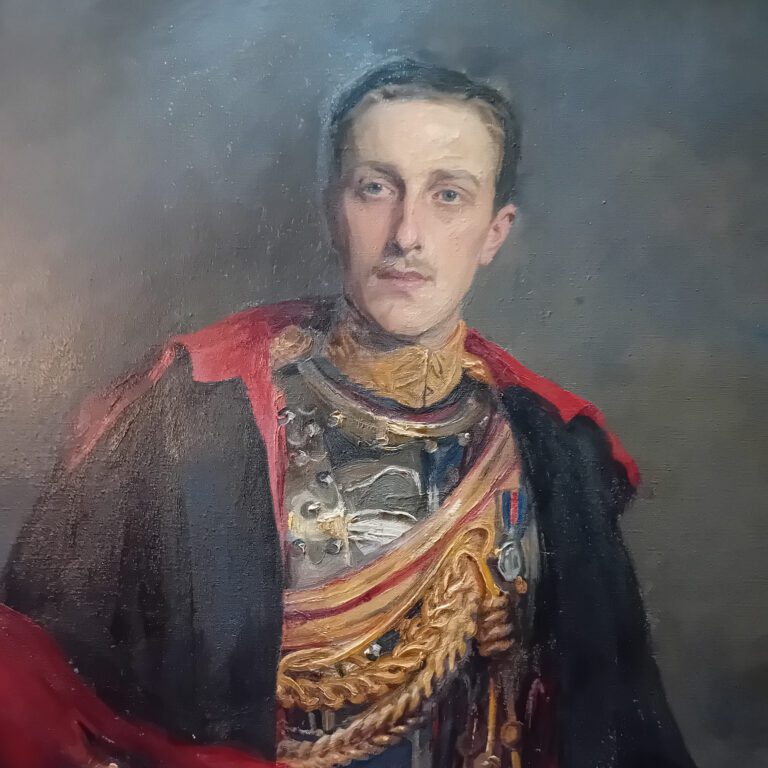
William Cavendish-Bentinck was known as the Marquess of Titchfield until he inherited the dukedom in 1943, by which time he had already established an active political and military career. The marquess served in the Royal Horse Guards during the First World War. Unlike his parents, he did not move into Welbeck Abbey when he became Duke. It was converted to a military training college in 1945, having been the headquarters of a largescale training ground for tank regiments during the Second World War. The 7th Duke of Portland held many offices and honours, including junior Lord of the Treasury, Lord Lieutenant of Nottinghamshire and Chancellor of the University of Nottingham.
William John Arthur Charles James Cavendish-Bentinck, 6th Duke of Portland (1857-1943) and Winifred, Duchess of Portland (1863–1953)
Ivy Gordon-Lennox (1887-1982)
Lady Alexandra Margaret Anne Cavendish-Bentinck (1916-2008); Lady Victoria Margaret Cavendish-Bentinck (1918-1955)





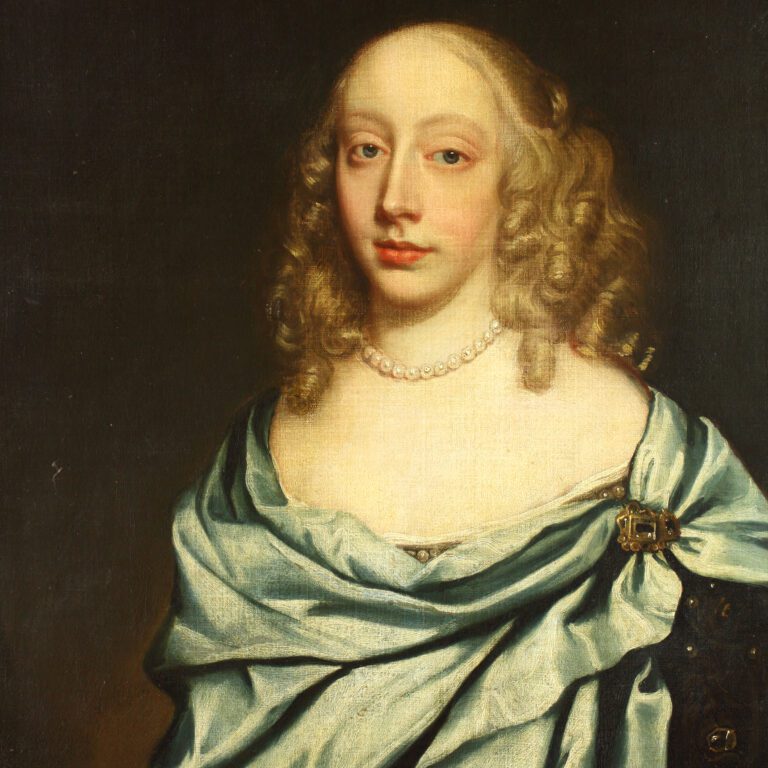

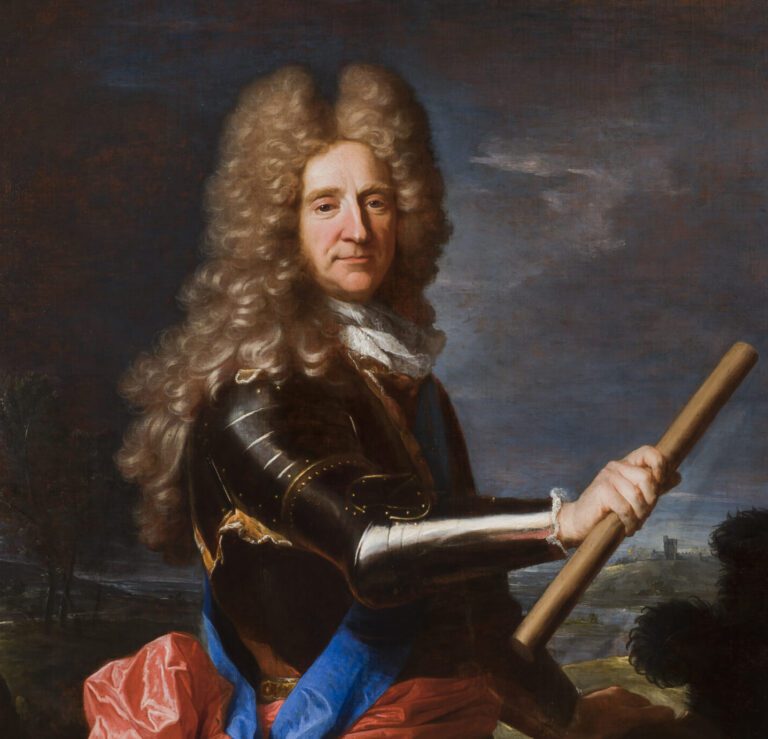

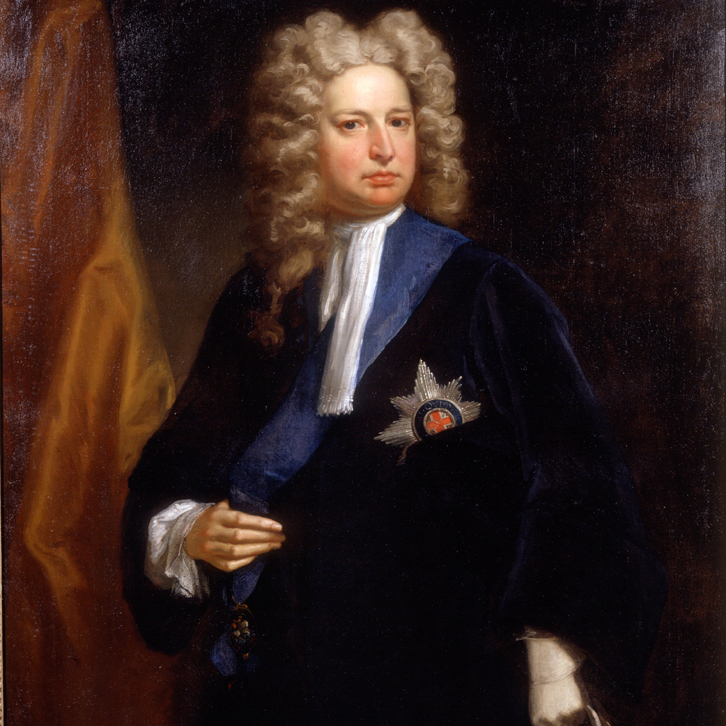





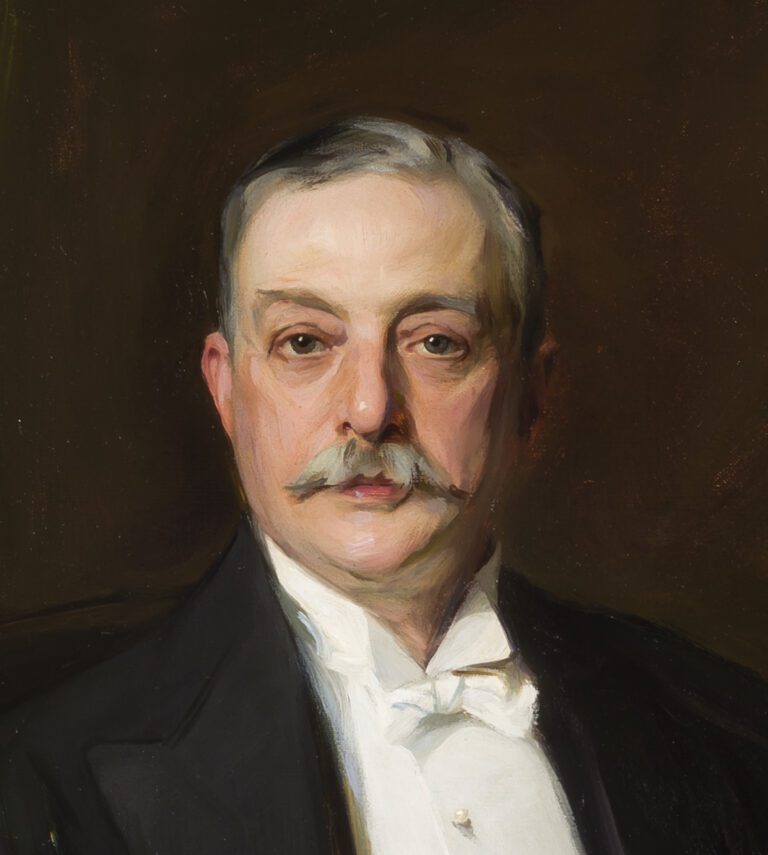
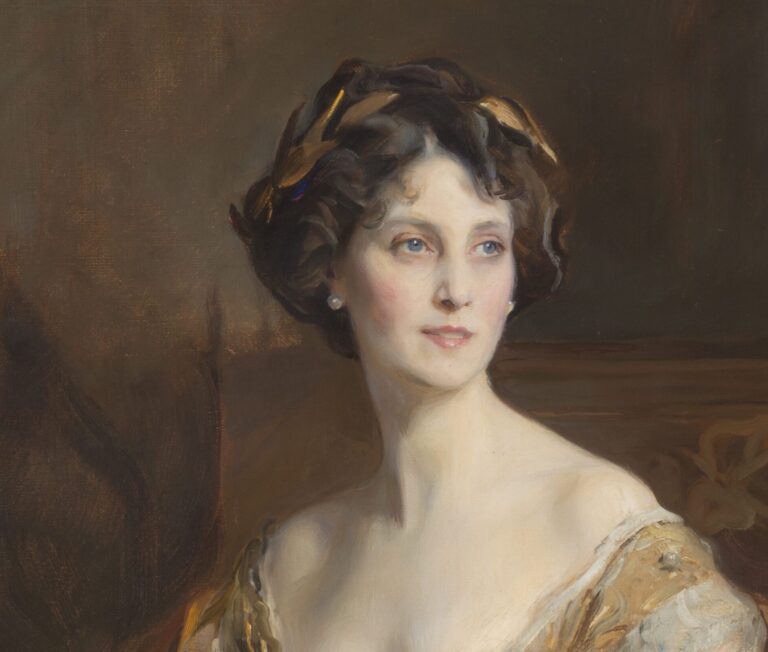
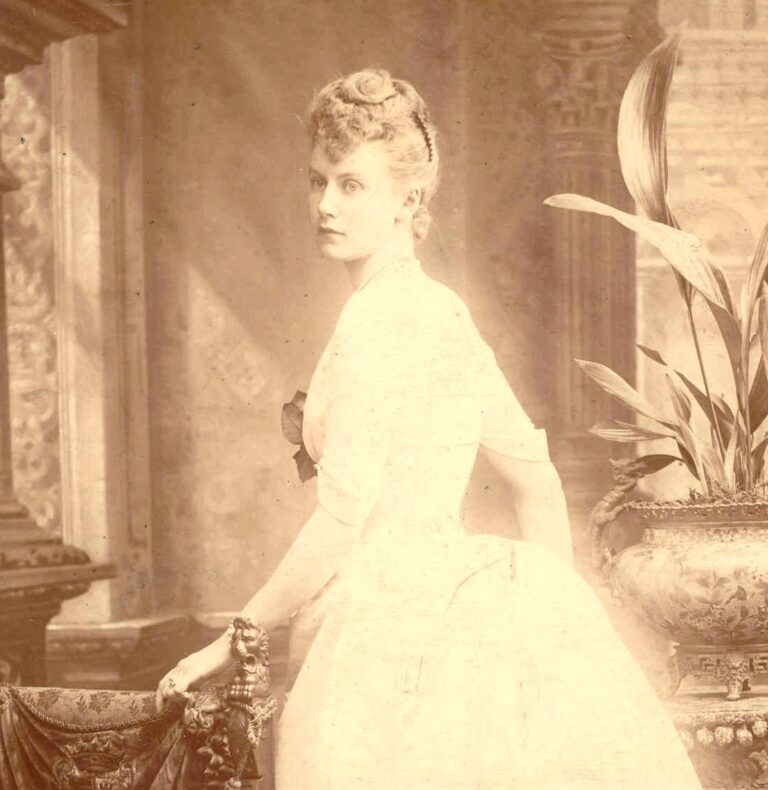
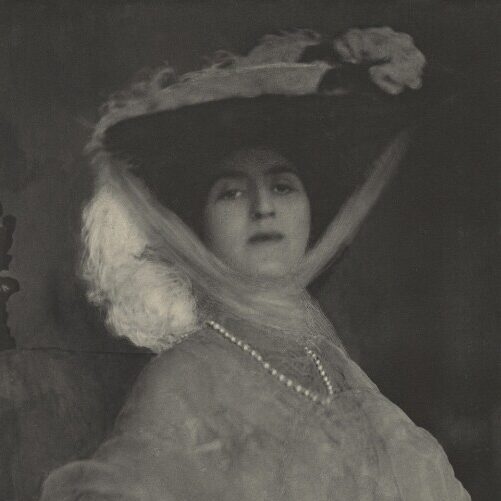
As part of an ambitious 20-year programme buildings across the estate are being given a new lease of life.
Known as the Welbeck Project, it was devised to build a creative and sustainable community through the development of the estate’s buildings, many of which had been used by the army training college over its five decades as custodian.
William John Cavendish-Bentinck-Scott, 5th Duke of Portland, has left an architectural legacy at Welbeck. He combined new Victorian engineering technologies with the architectural styles of his ancestors, and so his buildings became the grandest of their time. His projects included the biggest Kitchen Gardens in Britain and the second-largest riding school in the world. These buildings make up Welbeck Village, an area not normally accessible to the public.
But perhaps the Duke’s most extraordinary and famous construction is a network of underground tunnels and structures beneath Welbeck Village. He employed up to 1000 Irish workmen experienced in railway building, and with their expertise, he constructed 2.5 miles of tunnels – some of which are large enough for two carriages to pass side by side.
Take a guided tour of Welbeck Abbey and see six grand State Rooms that date back to the 18th century. Each room is decorated with some of the finest objects and artworks from The Portland Collection.
The Portland Collection of fine and decorative art has been assembled over 400 years by one extended family, which descends from Bess of Hardwick.